How to Compare Kids Clothing Brands in India: 9 Checks
A practical, parent-friendly guide to choosing playful prints without compromising on comfort, fit or everyday wear.
Practical choices.
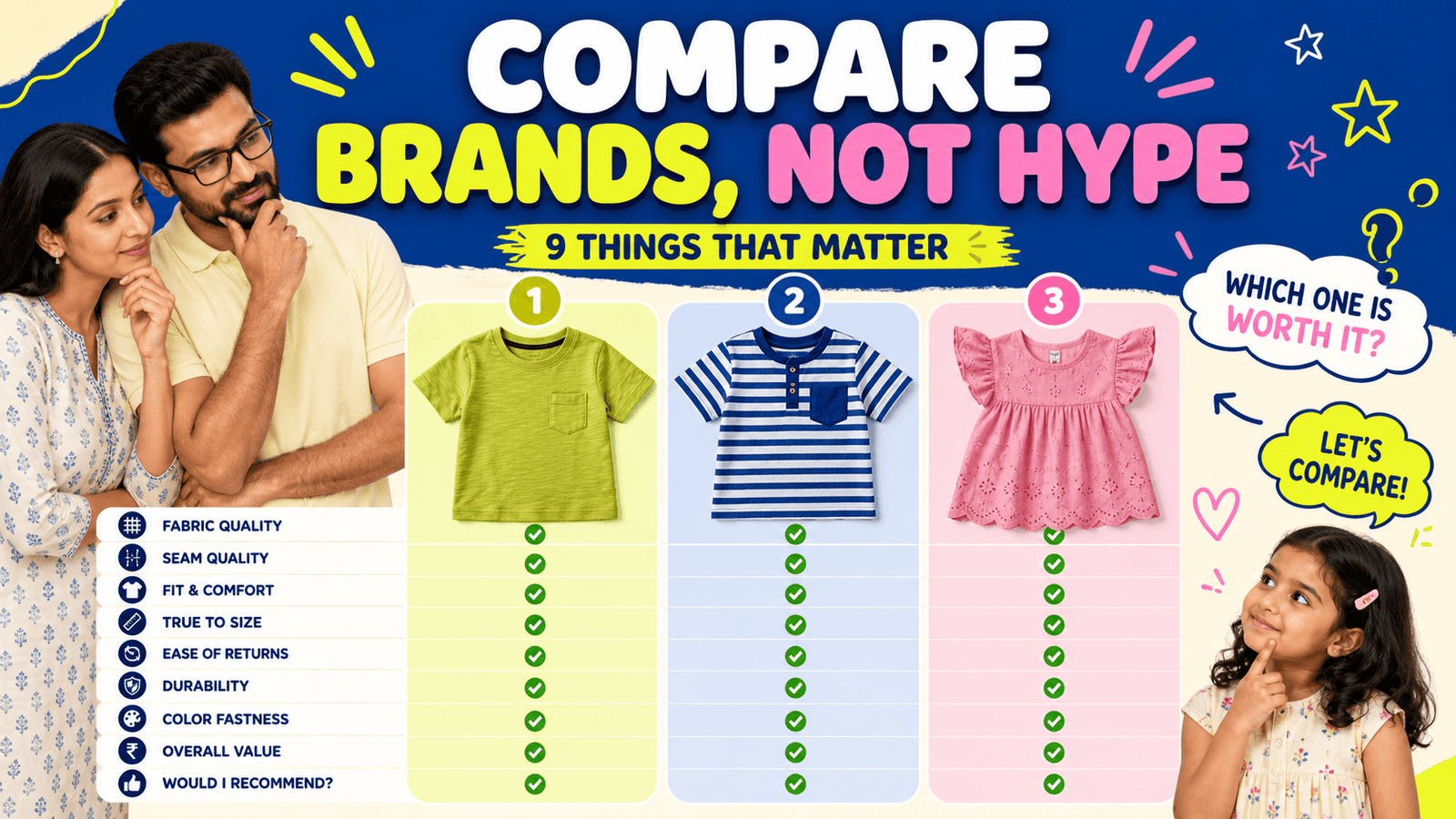
Short answer: compare kids clothing brands in India by examining the evidence behind the garments, not by accepting a “best brand” list. Check product-specific material information, sizing method, construction views, range consistency, live size depth, final cost, after-purchase policies, care instructions and review patterns across several products.
This is a brand-level comparison framework. If you are judging whether an individual online store is usable and trustworthy at checkout, use our separate kids clothing website evaluation scorecard.
1. Compare product evidence, not positioning words
Start with three current products from each brand in the same category. Record the garment type, fibre information exactly as stated, included pieces, closure, waistband, sleeve and leg length, print method when disclosed, care information, available images and current price. Do not turn “cotton” into “100% cotton,” or “soft” into a measurable guarantee, unless the page or received label provides that evidence.
A brand may be clear on one product and vague on another. Comparing several products prevents one unusually detailed page from representing the whole range.
2. Test the sizing method
Age labels are starting points, not universal body standards. Check whether the brand explains what was measured, whether values describe the child or the finished garment, and whether centimetres or inches are identified. Compare those instructions with a garment that already fits.
Use our Indian kids clothing size-chart guide to separate age labels, body measurements and flat garment measurements. A brand earns a stronger sizing score when the method is repeatable, not merely because the chart contains many numbers.
3. Inspect construction from the available views
Look for a clear front, back, neckline, waistband, hems and close-ups where relevant. Check whether seams appear straight, print placement is shown honestly and elastic or openings match the intended activity. Photography cannot prove long-term durability, but missing views reduce what a buyer can verify before payment.
4. Check consistency across a range
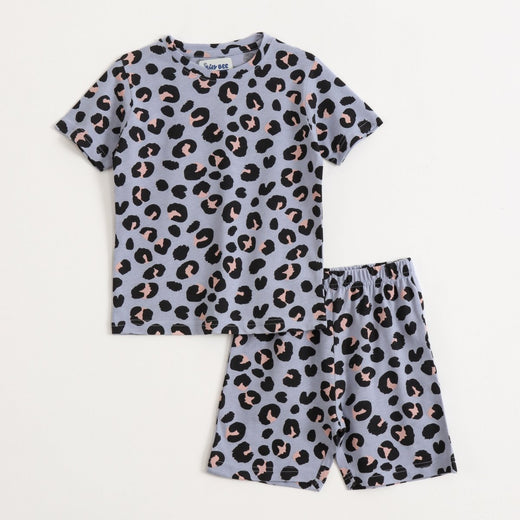
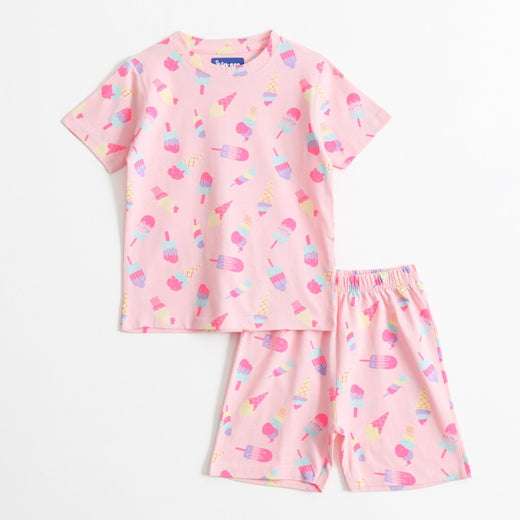
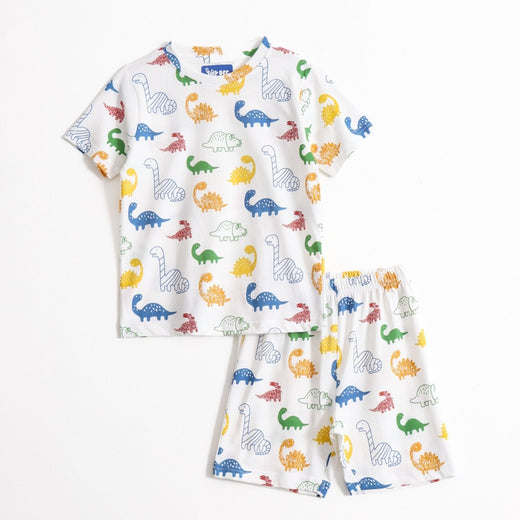
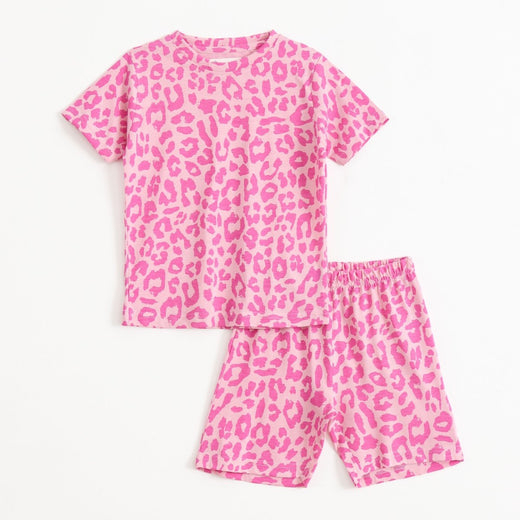
Choose one garment type—such as shorts sets—and compare at least five designs from the same brand. Are product names, size labels, included pieces and material descriptions consistent? Does one colourway use a different size range or care method? Consistency reduces guesswork, while disclosed differences are preferable to forced uniformity.
5. Measure live size depth
A large catalogue is not the same as usable choice. For the size you need, count how many designs are actually available now. Then check neighbouring sizes if the child is between measurements. A brand with ten relevant, available designs may be more useful than one with hundreds of unavailable listings.
As a dated A Tiny Bee example, the Bunny Carrot Shorts Set was active at ₹289 on 19 July 2026, with all seven listed sizes from 1–2 through 7–8 available and 179 total units in Shopify Admin. This demonstrates how to report a live stock snapshot; it does not prove that A Tiny Bee wins every brand comparison. Recheck the selected variant before ordering.
6. Compare the final payable amount
Record garment price, shipping, taxes or fees shown at checkout, minimum-order conditions, payment restrictions and any discount qualification. The US Federal Trade Commission’s general online-shopping guidance recommends checking the total cost and return terms. The same practical check helps Indian shoppers compare offers without treating a headline price as the delivered total.
7. Read policies as operating instructions
Check the return window, eligible condition, exclusions, exchange process, refund method, return-shipping responsibility, cancellation rules and contact route. Read the live policy before paying; do not rely on a search snippet or an old social post. A policy can be strict and still be clear. The comparison question is whether you understand the process before purchase.
8. Check care information for the finished garment
A useful care instruction accounts for the garment as a whole: base fabric, print, elastic, trim and colour. Follow the received label when it differs from general advice. If two brands sell similar-looking sets but one provides specific, workable care information, that difference belongs in the comparison.
9. Sample reviews instead of averaging slogans
Read recent positive, neutral and negative reviews across more than one product. Look for repeated observations about sizing, colour, fabric description, stitching, delivery and resolution—not one dramatic comment. The FTC’s review-evaluation guidance recommends using multiple sources and watching for bursts of reviews, repeated wording and reviewer history.
Do not publish customer claims as verified facts unless the reviewer, purchase and context can be substantiated. Absence of reviews is missing evidence, not proof of poor quality.
A simple nine-point comparison sheet
| Check | Evidence to record | Warning sign |
|---|---|---|
| Product facts | Exact material and included pieces | Unsupported superlatives |
| Sizing | Measurement method and units | Age label treated as a guarantee |
| Construction | Useful garment views | Important areas never shown |
| Consistency | Five like-for-like products | Conflicting names or facts |
| Availability | Relevant live sizes | Large range, little usable stock |
| Cost | Checkout total and conditions | Headline price only |
| Policies | Current return and refund route | Ambiguous process |
| Care | Finished-garment instructions | Generic advice only |
| Reviews | Patterns across sources and dates | Repeated or context-free praise |
Frequently asked questions
Which is the best kids clothing brand in India?
There is no evidence-based universal winner for every child, budget and garment type. Compare brands for the exact category, size, climate, use and after-purchase needs that matter to your family.
Is a higher price proof of better kidswear?
No. Price is one input. Compare product evidence, construction, usable stock, care, policies and cost per wear rather than treating price alone as a quality certificate.
How many products should I inspect before judging a brand?
Use at least three like-for-like current products, and preferably five when the range is large. One listing can be unusually strong or weak.
Should I trust age labels across different brands?
Use them only as starting points. Compare each brand’s measurement method with the child and a garment that already fits.
Sources and review method
- Federal Trade Commission: online shopping guidance
- Federal Trade Commission: how to evaluate online reviews
- A Tiny Bee Shopify Admin product and inventory audit, 19 July 2026. Price and availability can change.
Apply the same scorecard while browsing the current A Tiny Bee kidswear collection. Verify the exact product, selected size, price, policies and availability before payment.
Bring the guide to life
Only currently available products are shown. Sizes and stock update live.