How to Remove Common Stains from Kids Clothes
A practical, parent-friendly guide to choosing playful prints without compromising on comfort, fit or everyday wear.
Practical choices.
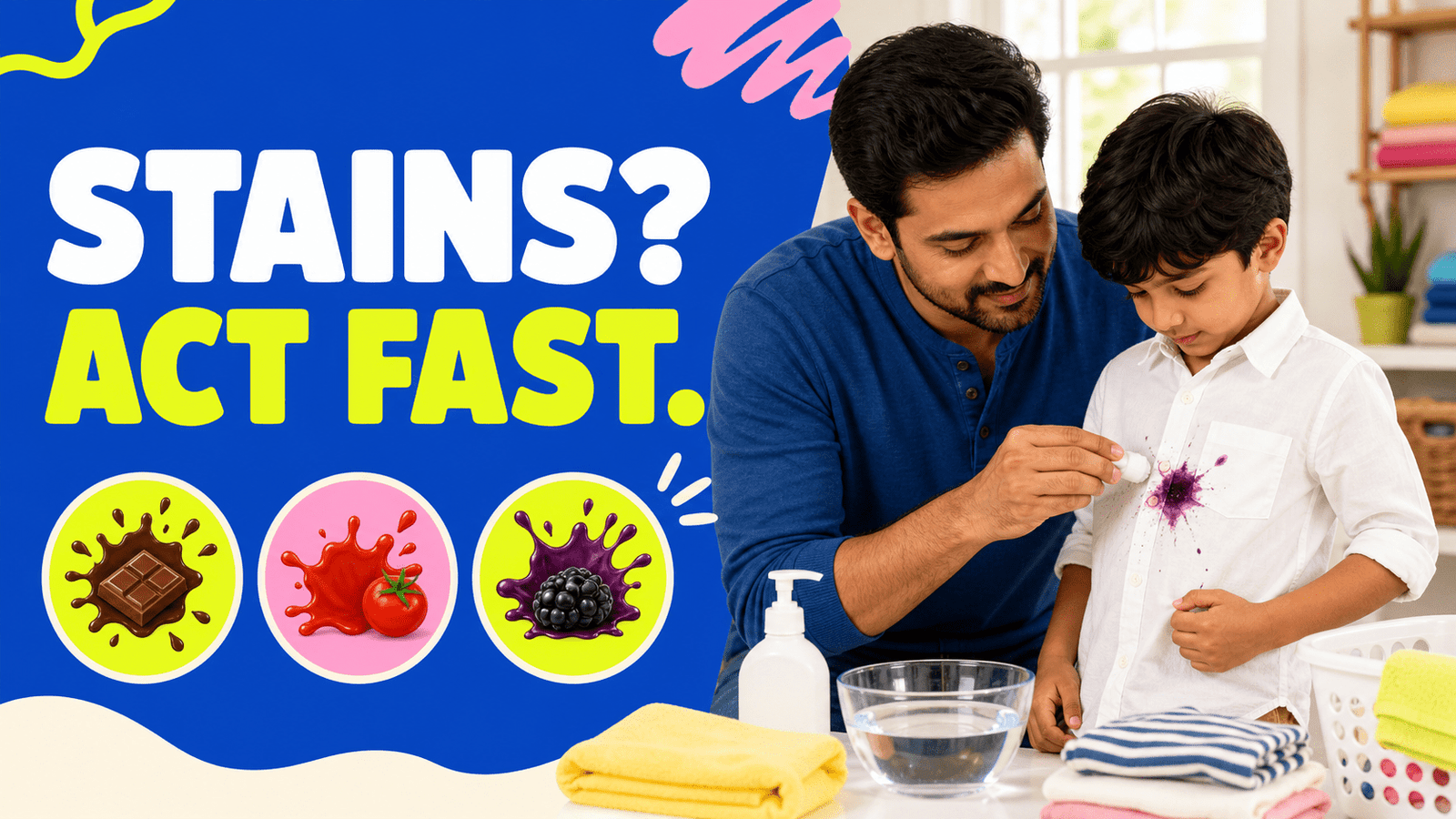
To remove stains from kids clothes, act promptly, identify the stain, read the garment label, rinse or blot without spreading it and pretest a suitable treatment on a hidden area. Work from the outside of the mark inward, rinse thoroughly and do not use dryer heat until the stain is gone. Never mix household cleaning chemicals.
No single home remedy is safe for every fabric, dye or finish. These steps apply to washable everyday garments; use professional advice when the care label requires it or when the stain involves paint, solvent, chemicals or an unknown substance.
First-response stain checklist
- Remove excess solids gently with a spoon or dull edge.
- Blot liquids with a clean white cloth; do not scrub outward.
- Check the fibre and care instructions.
- Pretest the treatment on an inside seam.
- Treat from the back of the fabric when practical.
- Rinse, inspect and repeat before washing.
- Air-dry for inspection; do not machine-dry a visible stain.
The University of Georgia Extension recommends reading the care label, pretesting cleaning agents for colourfastness and keeping products away from children in its textile stain guidance.
Food and drink stains
For many water-based food marks, begin by rinsing with cool water from the back so the soil moves out rather than deeper into the knit. Apply a laundry pre-treatment allowed by the label, wait only as long as its directions state and wash with a compatible load.
Do not rub a colourful drink across a larger area. A white cloth helps you see whether colour is transferring from the stain or from the garment itself. Stop if the garment dye begins to move.
Oil and grease
Blot excess oil rather than adding water immediately. Use a product specifically intended for washable fabric and oily soil, following its dose, ventilation and safety instructions. Avoid improvised solvents, especially around children, and do not put an oily garment into a hot dryer while residue remains.
Mud
Let thick mud dry enough to brush off loose material outdoors. Then rinse from the back and pre-treat the remaining soil. Washing a clump of mud directly can spread grit through the load and increase abrasion.
Grass
Grass marks can contain plant pigment and soil. Apply a label-approved prewash product, give it the stated contact time and rinse. Do not scrub so aggressively that the printed surface or knit becomes fuzzy.
Crayon, marker, paint and glue
Identify the exact product first: washable marker, permanent marker, water-based paint and oil-based paint require different decisions. Check the manufacturer’s cleanup directions. Avoid heat until you know the mark has been removed, and do not experiment with flammable solvents on children’s clothes.
For dried glue or paint, forcing the fabric apart can tear fibres. Seek professional advice when the product label calls for a solvent or when the garment care instructions prohibit the required treatment.
Blood and other protein stains
Use cool water initially and handle the garment hygienically. Avoid hot water at the first stage because it can make some protein stains harder to remove. Use a suitable laundry pre-treatment according to its label, wash the garment separately when appropriate and wash your hands afterward.
What not to mix
Never mix chlorine bleach with ammonia, acids, vinegar or other household cleaning products. Dangerous fumes can result. Do not assume “natural” ingredients are automatically colour-safe, fibre-safe or safe to combine. The University of Georgia Extension’s textile-care product reference emphasizes label directions, dilution and colourfastness testing.
When to stop treating
- The garment dye transfers to the testing cloth.
- The print becomes sticky, cracked or distorted.
- The care label prohibits the treatment.
- The stain involves an unknown chemical, battery liquid or pesticide.
- The fabric is delicate, embellished or labelled dry-clean only.
- A flammable solvent would be required.
At that point, rinse away the current product if its instructions say to do so and consult a professional cleaner. Do not keep layering remedies.
Build a simple stain kit
Keep clean white cloths, a dull spoon, a soft brush, a mesh laundry bag and one clearly labelled garment pre-treatment together. Store every product in its original container, away from children and food. Write the garment-care instructions down if the sewn-in label is fading.
For the complete wash stage, use our guide to washing cotton kids clothes, while following the exact garment label.
Frequently asked questions
Should I rub a fresh stain?
Blot liquids and lift solids first. Hard rubbing can spread the mark and roughen the fabric surface.
Can I dry the garment if the stain is faint?
Inspect it before heat drying. If the mark is still visible, repeat an appropriate treatment or seek professional advice.
Is white vinegar safe for every fabric?
No. Acids can affect some dyes, fibres and finishes. Follow the care label, dilute only as reliable instructions direct and pretest first.
Can chlorine bleach be mixed with another cleaner?
No. Never mix chlorine bleach with ammonia, vinegar, acids or other cleaners.
What if I do not know what caused the stain?
Avoid aggressive or conflicting treatments. Blot, check the care label and consult a professional cleaner when the substance cannot be identified.
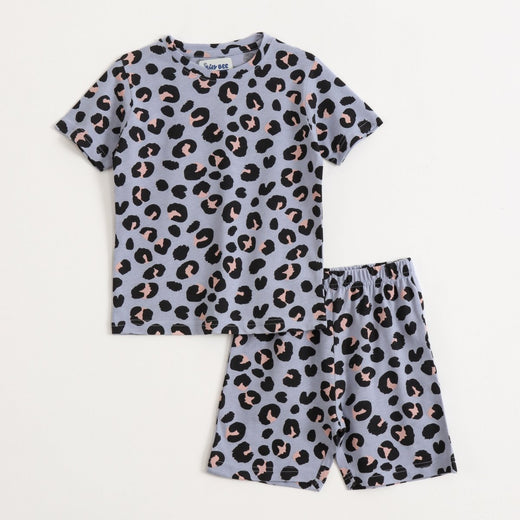
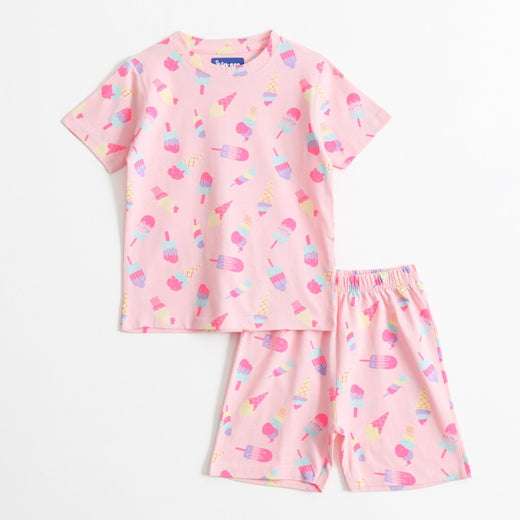
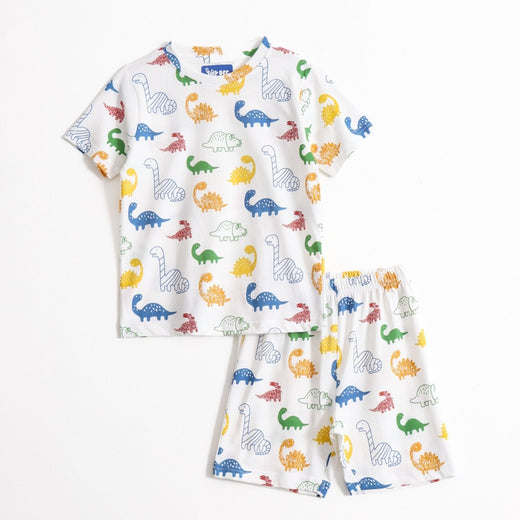
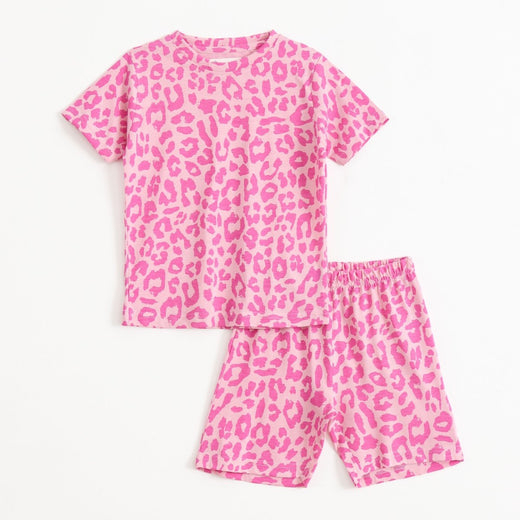
Explore A Tiny Bee kids shorts sets and retain the garment-care label for future stain decisions.
Bring the guide to life
Only currently available products are shown. Sizes and stock update live.