Animal Print Kidswear: Easy Everyday Styling Ideas
A practical, parent-friendly guide to choosing playful prints without compromising on comfort, fit or everyday wear.
Practical choices.
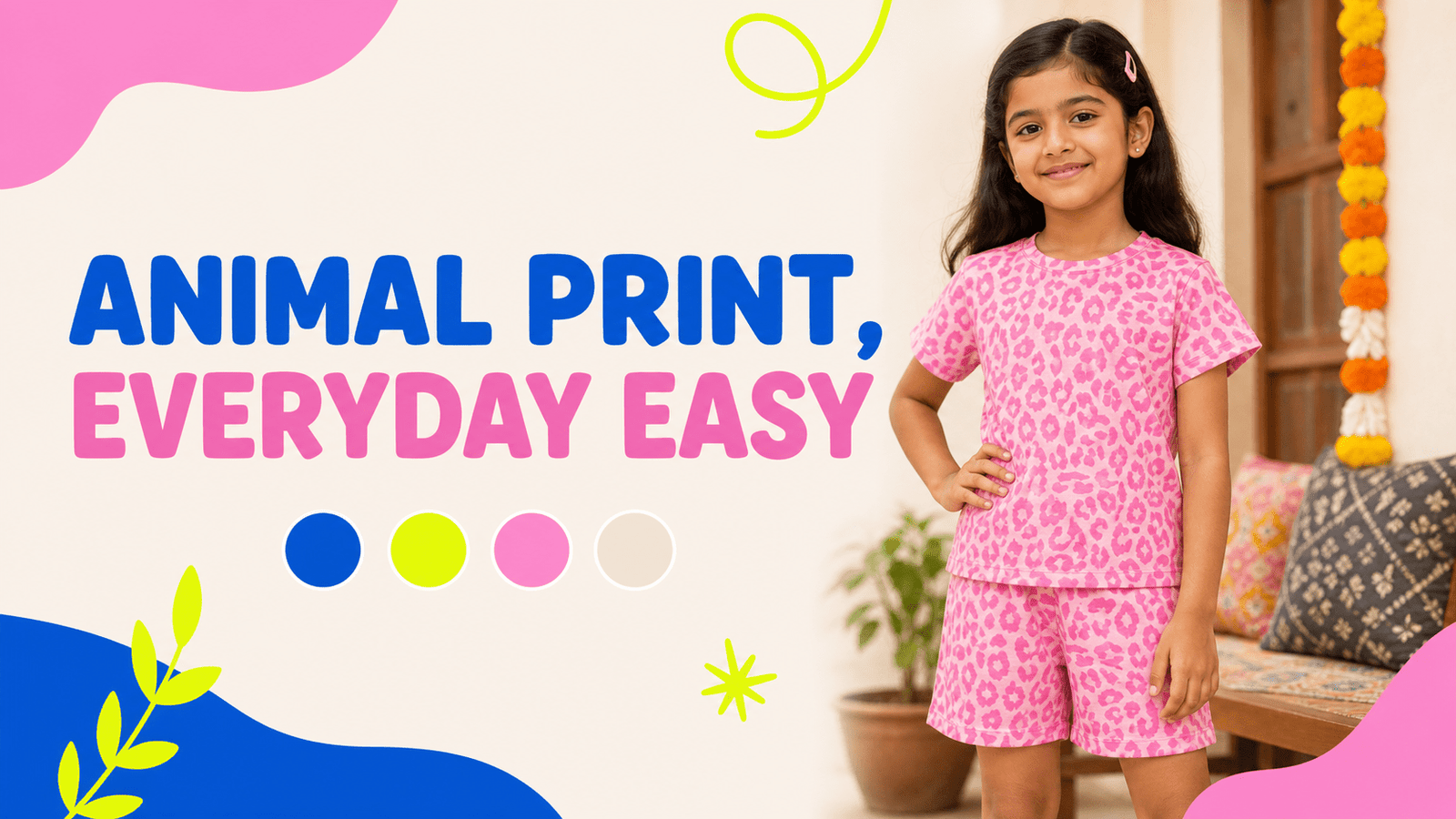
Animal print kidswear is easiest to style when one print leads the outfit and everything else supports it. Choose the garment by fit and activity first, then coordinate one or two colours from the motif. Check the current fabric information, construction and care label instead of judging quality from the animal design alone.
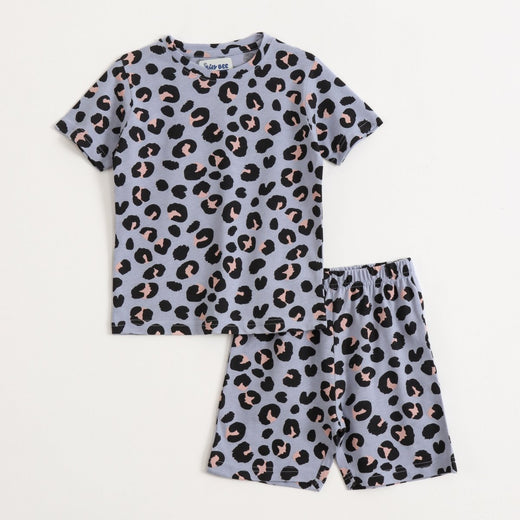
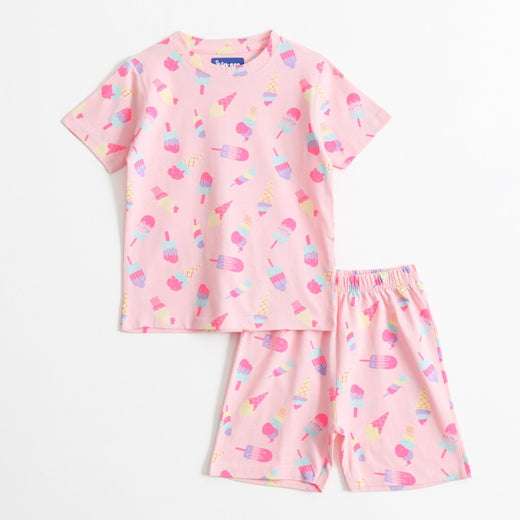
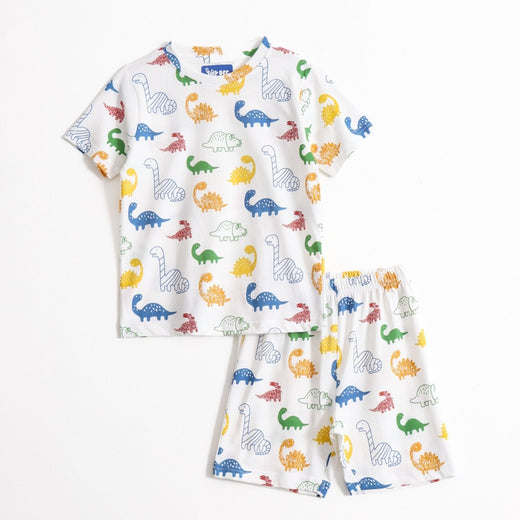
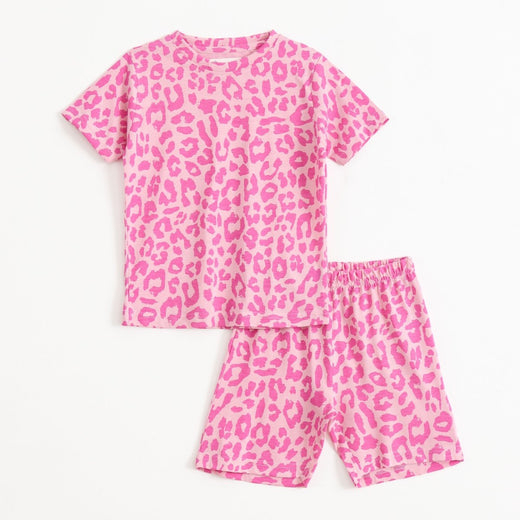
For children, “animal print” can mean illustrated rabbits, sharks, pandas or safari creatures as well as stripes, spots and other coat-inspired patterns. Those are different visual ideas, so identify what the child actually likes before shopping.
Start with the kind of animal print
Use four simple groups:
- Character motifs: recognisable illustrated animals repeated across the fabric.
- Single graphics: one larger animal image placed on a top.
- Habitat stories: animals mixed with leaves, water, stars or other scene elements.
- Pattern-inspired prints: stripes or spots that reference an animal coat.
This distinction makes search and styling clearer. A child asking for “bunny clothes” may not want a zebra-style pattern, even though both can sit under the same retail filter.
Use one-print, one-palette styling
Pick one dominant print and repeat a colour already inside it. If a blue set contains small orange details, blue can remain the base while a small orange accessory echoes the motif. You do not need to add another animal, another pattern and several new colours.
Coordinated top-and-shorts sets remove the first matching decision. They can also work as separates when the colours and fit suit another item. See our kids co-ord sets guide for mixing pieces without losing the usefulness of the original set.
Six everyday animal-print formulas
| Formula | How it works | What to check |
|---|---|---|
| Matching set | Printed top with its matching shorts | Both pieces fit independently |
| Print plus plain | Animal-print top with a solid bottom | Repeat one colour from the print |
| Plain plus print | Solid top with printed shorts | Keep the top visually quiet |
| Light layer | Printed set with a plain overshirt | Layer suits temperature and activity |
| Sibling theme | Different animals in one palette | Size each child separately |
| Travel repeat | One printed set, two plain mix-ins | All pieces share compatible care |
The formulas are options, not rules. A complete printed set can be worn exactly as it is.
Check scale against the garment
Small repeated motifs can remain visible across seams and folds. A large graphic needs enough uninterrupted space. Inspect product images for:
- important faces or shapes cut by the neckline or side seam;
- a stiff print layer across the chest or another high-movement area;
- very dense ink or decoration where the child bends;
- misaligned placement that changes the intended design;
- loose appliqué, beads or trim unsuitable for the child’s use.
Image scale can be deceptive online. Use the model image, garment dimensions and close-up views together when they are available.
Fit remains more important than the motif
Measure height, chest, waist and hip as the product chart requires. For a shorts set, check head opening, shoulder position, arm movement, waistband security, rise, seat and hem. A print cannot compensate for a neckline that is hard to pull on or shorts that slide during play.
Follow our five-minute kids measurement guide. If the child sits between sizes, compare the relevant measurement and intended ease rather than defaulting to the older age label.
Coordinate siblings without making a costume
Sibling outfits can share one element while remaining individual:
- the same animal family in different colours;
- different animals on the same background colour;
- one printed outfit and one plain outfit drawn from its palette;
- the same print in separately selected sizes, when available.
Do not compromise fit to obtain an exact match. Our brother–sister matching outfit guide gives additional colour and theme methods.
Read material information carefully
Animal motifs can be printed on many fabrics. A catalogue tag such as “cotton” should not be rewritten as a fibre percentage unless the current product page or sewn-in label gives that percentage. Hand feel, weight, stretch, knit or weave, seams and finishing also affect how a garment wears.
For warm-weather decisions, compare the outfit with the day’s temperature, humidity, sun exposure and activity. Read our summer clothes for kids in India guide for a climate-first checklist.
Protect the print through correct care
The US Federal Trade Commission’s care-label guidance describes washing, bleaching, drying, ironing and warnings as parts of regular care instructions. Follow the full label because fabric, elastic, print and trim may have different limits.
- Separate compatible colours and care settings.
- Turn printed pieces inside out when permitted.
- Pre-treat marks according to the garment and product labels.
- Avoid unnecessary rubbing directly on the motif.
- Do not apply direct iron heat to a print unless allowed.
- Check the mark before using a tumble dryer.
If a stain appears, use our kids clothing stain-removal guide rather than an unlabelled chemical mixture.
Animal-print buying checklist
- The child likes the actual animal or pattern.
- The garment type matches the planned activity.
- The current chart matches measured size.
- The print sits cleanly across seams and movement areas.
- Construction and elastic appear secure.
- Fibre and care information are specific and readable.
- The household can follow the required care routine.
- Live price, stock and returns are checked before payment.
For a motif-specific example, the dinosaur clothes buying and styling guide applies these same print, fit, construction, care and live-availability checks to dinosaur designs.
Frequently asked questions
What counts as animal print kidswear?
It can include illustrated animal motifs, single animal graphics, habitat scenes, or patterns inspired by stripes and spots. Product naming varies.
Can animal prints be unisex?
Yes. Choose by fit, product information and the child’s preference rather than assuming an animal belongs to one gender.
Can two animal prints be worn together?
They can, but the clearest formula is usually one dominant print with a quieter supporting piece. If mixing, repeat a colour and vary the print scale.
Should siblings wear the exact same animal print?
Only if both children like it and suitable sizes are available. A shared palette or animal theme can coordinate without an exact copy.
How should animal-print clothes be washed?
Follow the garment’s complete care label. There is no single safe temperature, cycle, drying or ironing rule for every printed fabric.
Browse current A Tiny Bee prints and verify each garment’s live size, fabric information, price and availability.
Bring the guide to life
Only currently available products are shown. Sizes and stock update live.