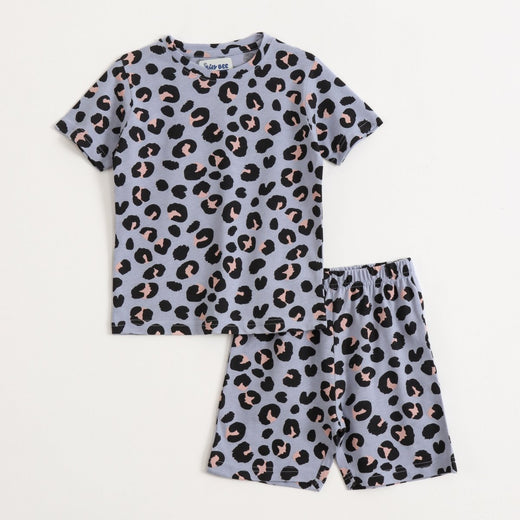
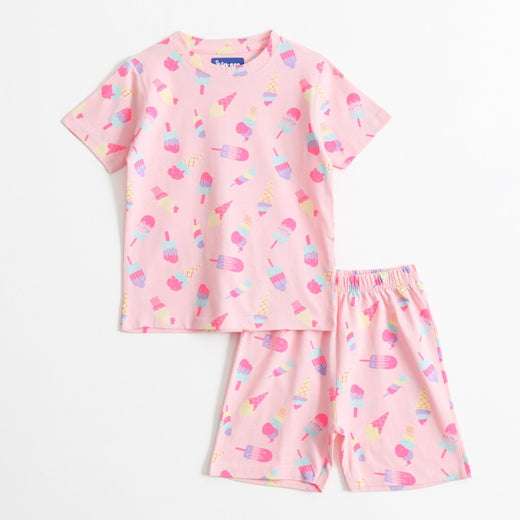
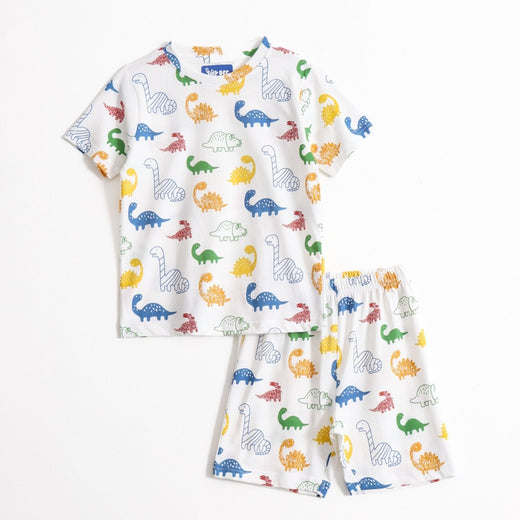
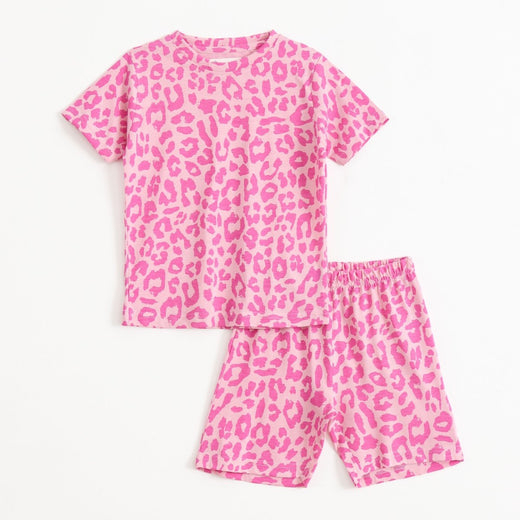
Kids Clothes for Sensitive Skin: A Careful Parent Checklist
A practical, parent-friendly guide to choosing playful prints without compromising on comfort, fit or everyday wear.
Practical choices.
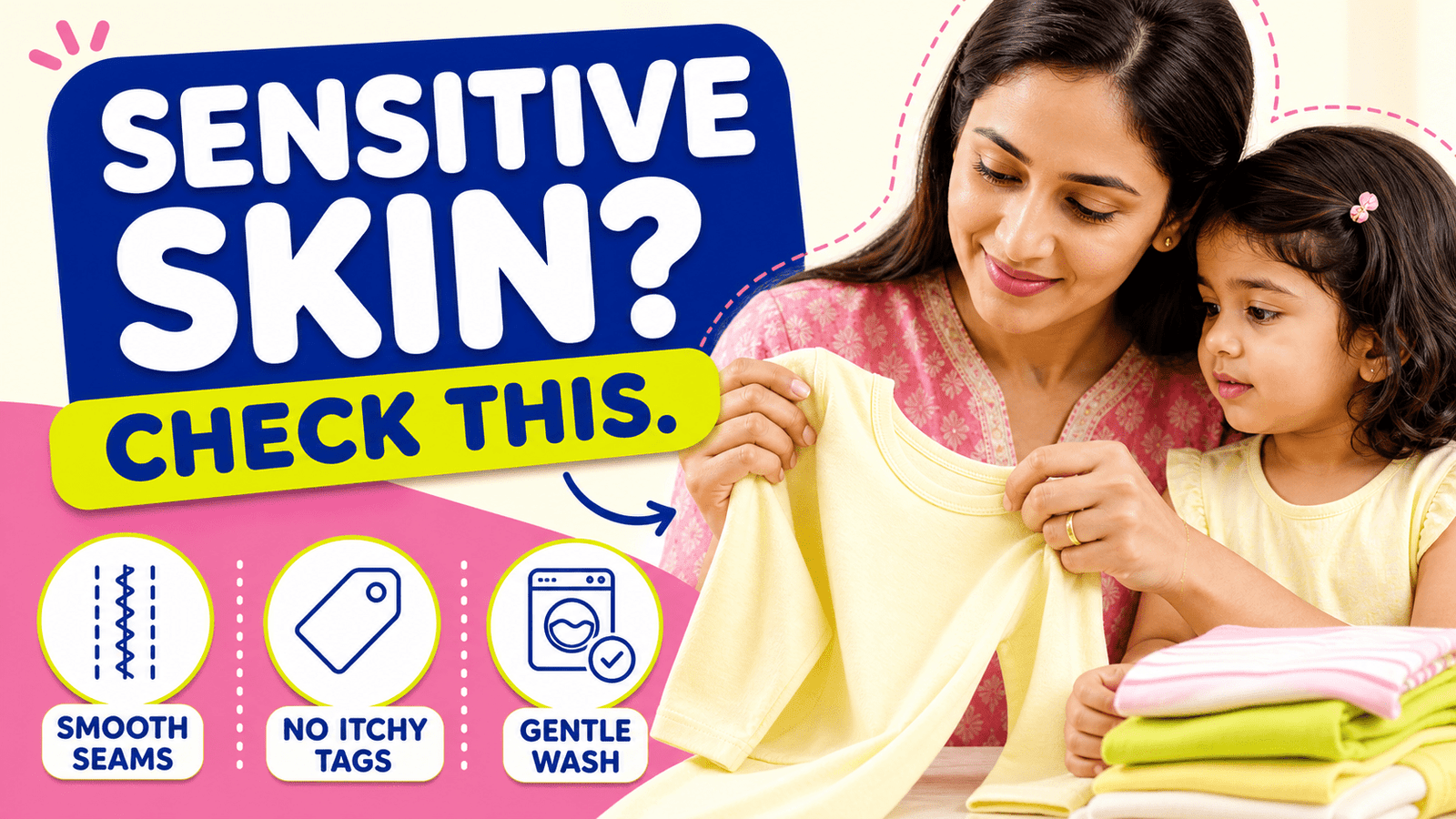
For kids with sensitive or eczema-prone skin, choose clothing by the exact fibre label, surface feel, fit, seams, tags and the child’s known triggers—not by a vague “soft” or “skin-friendly” claim. Loose-fitting cotton clothing is commonly recommended by dermatology sources for eczema, but no garment can diagnose, treat or guarantee prevention of a flare.
If a child has a diagnosed skin condition, follow the clinician’s plan. Seek medical advice for persistent rash, severe itch, broken skin or signs of infection. This guide is a shopping and care checklist, not treatment guidance.
Sensitive skin and sensory sensitivity are different questions
Skin irritation involves the skin and can be affected by eczema, contact with a material, heat, sweat, detergent or another trigger. Sensory sensitivity may involve how texture, pressure, seams, sound or dressing routines feel even without a visible rash.
When the main issue is texture or pressure preference rather than skin symptoms, use our sensory-sensitive clothing guide. Do not assume one checklist explains the other.
Start with the fibre-content label
Read the sewn-in composition label for the exact garment. Product photography, colour and hand-feel cannot prove fibre content. “Cotton-rich,” “blend” and “100% cotton” are different disclosures, and trims, elastic and print areas may contain other materials.
The American Academy of Dermatology advises loose-fitting 100% cotton clothing for many children with eczema and recommends avoiding wool and polyester when those materials trigger irritation. See the AAD’s childhood eczema trigger chart. This is general dermatology guidance, not a guarantee that cotton will suit every child.
Inspect construction where it touches skin
| Area | What to inspect | Why it matters |
|---|---|---|
| Neck and armholes | Binding, seam bulk, rough edges, opening size | These areas move and rub repeatedly |
| Side and shoulder seams | Raised overlock, hard thread ends, labels caught in seams | A soft main fabric does not remove seam contact |
| Waist | Elastic pressure, casing seam, exposed elastic, drawcord | Heat, pressure and friction can concentrate at the waist |
| Print and decoration | Stiff backing, raised ink, sequins, appliqué edges | Decorative areas can feel different from the base fabric |
| Care and brand labels | Position, edge stiffness and safe removal method | Tags can rub; cutting one poorly can leave a sharper edge |
Turn the garment inside out and use the back of your fingers to check seams and labels. Then consider where the child’s skin usually reacts. A garment that feels smooth in the centre can still have a bothersome neck seam or waistband.
Choose fit to reduce friction and overheating
Tight clothing can increase pressure and rubbing. Very oversized clothing can fold, twist and create new friction points. Check movement at the neck, shoulders, underarms, waist, rise and behind the knees.
Heat and sweat are common eczema triggers for some children. The AAD’s guidance for children with eczema during sports recommends loose-fitting cotton clothing, removing tags and washing new garments before use. Plan removable layers and a dry change when the child is likely to sweat.
Do not describe a garment as “breathable” solely because it is cotton. Fabric weight, knit structure, fit, layers, finish and the environment all affect heat and moisture.
Wash a new garment before the first trial
AAD guidance recommends washing new clothes before wear to remove excess dyes and fabric finishers that may irritate some children. Follow the exact care label and the child’s clinician-approved laundry routine.
The AAD also advises fragrance-free, dye-free detergent for eczema-prone skin, the recommended detergent amount and adequate rinsing. Its eczema tips for children note that scented fabric softener or dryer sheets may contribute to irritation.
Do not add vinegar, baking soda, disinfectant, essential oil or extra softener as a universal fix. A “natural” ingredient can still irritate, and combining products can create unsafe chemistry. Our label-first softness guide explains how to check dose, loading, rinsing and drying without relying on laundry hacks.
Run a one-item, one-variable trial
- Choose one garment after checking its label and construction.
- Wash it using the established laundry routine.
- Try it for a short, ordinary activity when the skin is stable.
- Record fit, heat, sweat, rubbing and the location and timing of any reaction.
- Stop using it if symptoms worsen, and discuss recurring or significant reactions with a qualified clinician.
Changing one variable at a time gives clearer information than replacing the whole wardrobe. Do not purchase several copies until the child has worn and washed the first one successfully.
Claims to treat cautiously
- Hypoallergenic: ask what test, standard and exact product the claim covers.
- Organic: a fibre or production certification does not guarantee that one child will not react.
- Chemical-free: scientifically meaningless as a blanket clothing claim.
- Antibacterial: ask about the treatment, evidence, wash durability and skin-contact implications.
- Eczema-safe: do not treat marketing language as medical certification or treatment advice.
A Tiny Bee does not use this guide to certify every current garment for sensitive skin. Check the live product information and sewn-in label, and contact support when a material or construction detail is missing.
Frequently asked questions
What clothes are best for kids with sensitive skin?
Dermatology sources often recommend loose-fitting cotton clothing for eczema-prone children, but the child’s known triggers, exact label, seams, tags, fit and laundry routine still matter.
Should new kids clothes be washed before wearing?
AAD guidance recommends washing new clothing before wear for children with eczema. Follow the garment’s care label and the child’s established laundry plan.
Are tagless clothes always better?
No. A printed label can still have texture or ink, and other seams or trims may irritate. Inspect the whole garment.
Can clothing cure or prevent eczema?
No garment is eczema treatment and no clothing choice can guarantee prevention. Clothing may be one trigger-management consideration within a clinician-led plan.
Is this the same as sensory-friendly clothing?
No. Skin symptoms and sensory preferences can overlap, but they are different questions and should be assessed separately.
What should I check in tagless kids clothes in India?
Check what “tagless” means on the exact garment: a printed neck label, a removable label or another construction. Inspect the print surface, neck seam, side seams, trims and fit, and use the child’s established laundry and clinical guidance. Removing one tag does not make the complete garment irritation-proof.
Explore current A Tiny Bee garments, then verify the exact product details, size chart and sewn-in composition before deciding.
Bring the guide to life
Only currently available products are shown. Sizes and stock update live.