How to Check Cotton Clothing Quality Before You Buy
A practical, parent-friendly guide to choosing playful prints without compromising on comfort, fit or everyday wear.
Practical choices.
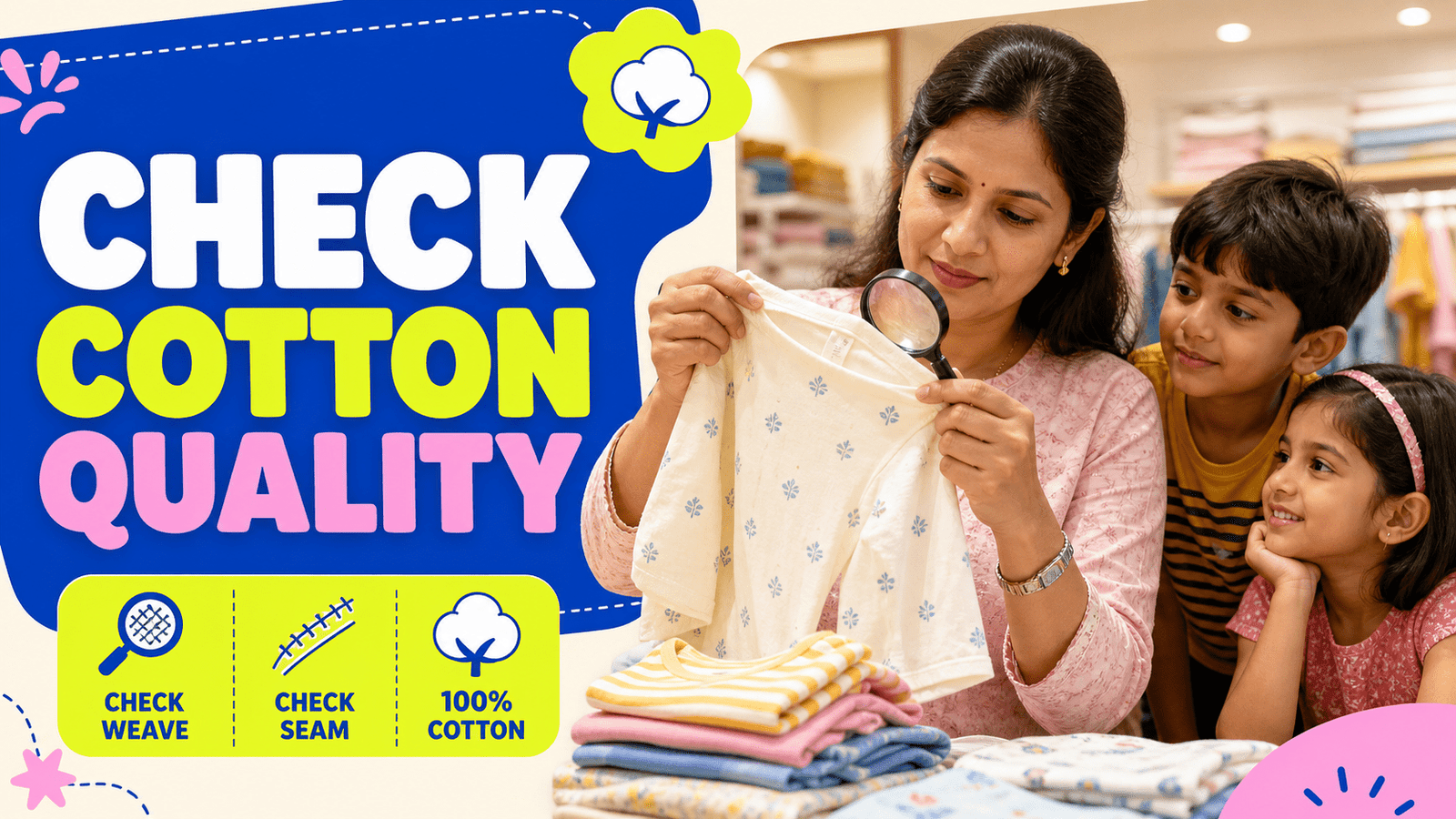
You cannot reliably prove cotton content or clothing quality by touch alone. Before buying, check the exact fibre disclosure, close product images, construction details, care information, seller policies and product-specific claims. After delivery, inspect the actual garment before washing or removing tags.
“Soft,” “premium” and “breathable” are not fibre percentages or measurable quality grades. Good evaluation separates verifiable information from marketing language.
Start with the exact fibre disclosure
Look for a clear fibre-content statement for the product, not a general statement about the brand or collection. If the garment is described as cotton, check whether a percentage or blend is disclosed and whether trims, elastics or other components are treated separately.
The US Federal Trade Commission’s guidance on cotton claims explains why marketers should not describe a blended textile as pure cotton or use unsupported cotton claims. Its broader textile-labelling guidance discusses fibre identification and disclosure principles. These sources explain evidence standards under US rules; they are not Indian legal advice. Check the product information and applicable Indian requirements for the garment you are buying.
Use an evidence hierarchy before purchase
| Evidence | What it can tell you | What it cannot prove alone |
|---|---|---|
| Exact fibre disclosure | Stated composition or blend | Construction quality, fit or durability |
| Clear close-up images | Visible seams, print alignment and finish | Fibre content or long-term performance |
| Care instructions | Supported routine for the finished garment | That every household will get identical results |
| Measurements and size chart | Likely fit within that brand or product | Fabric quality |
| Return and contact policy | Available remedy if the item differs | That the garment itself is high quality |
No single row replaces the others. A useful product page should let a buyer connect composition, construction, care and fit.
Inspect construction in product photographs
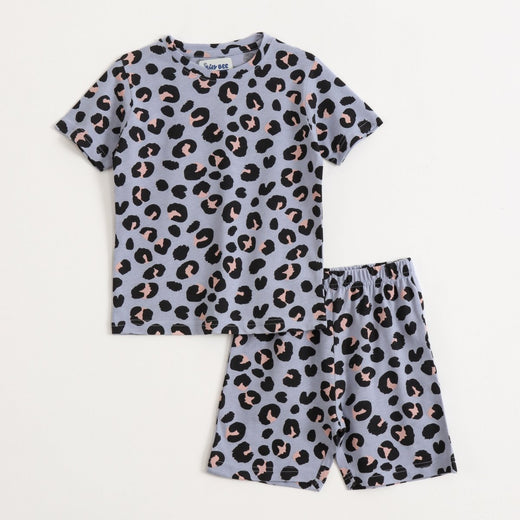
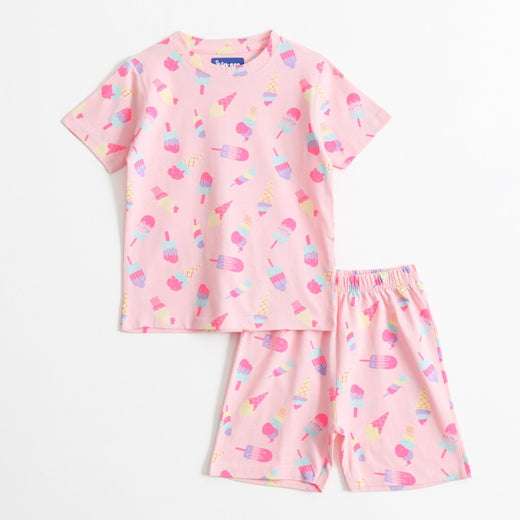
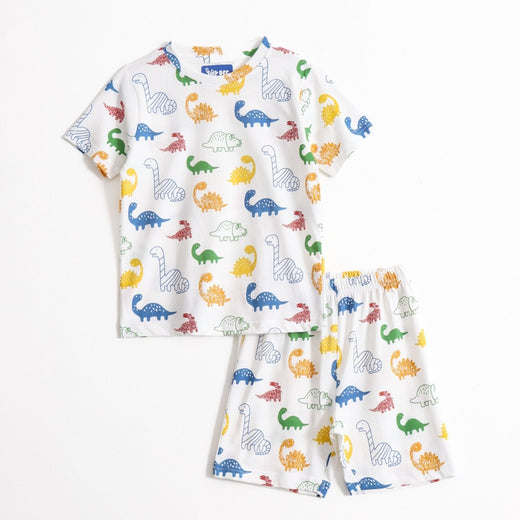
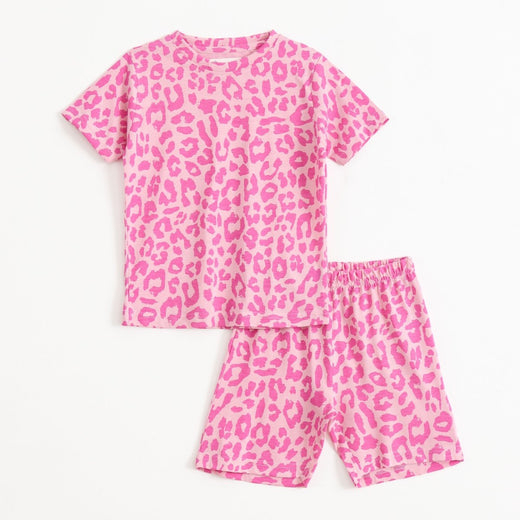
Zoom into necklines, sleeve joins, side seams, hems, waistband channels and print placement. Look for smooth seam paths, even hems, secure-looking joins and a waistband that appears consistently enclosed. On a patterned set, compare how the print is rendered across the top and bottom without expecting motifs to match perfectly at every seam.
Photography can reveal obvious problems but cannot prove seam strength. Heavy retouching, distant images or missing back and detail views reduce the evidence available. Ask the seller when an important detail is not shown.
Do not use softness as a cotton test
Finishing treatments, knit structure, yarn, washing and blends can all affect hand feel. Cotton can feel different across products, while non-cotton fibres can also feel soft. Rubbing, burning fibres or relying on online “home tests” is not a safe or reliable substitute for an accurate label and seller evidence.
The same caution applies to thickness. A light fabric can be appropriate for one garment and a denser fabric for another. Weight alone does not establish fibre content or overall quality.
Judge the fabric for its intended use
Quality is fitness for the intended purpose, not maximum thickness. For a children’s everyday set, consider movement, coverage, seam comfort, recovery after gentle stretching and compatibility with the stated care routine. For sleepwear, also check secure fit and the details in our kids pajama fit guide.
If opacity matters, hold the received garment against normal light without overstretching it. If stretch recovery matters, gently extend a small non-critical area and observe whether it returns; do not damage the item or invalidate the return policy.
Read care information before buying
Care instructions should make sense for the finished garment, including fabric, print, elastic and trims. The FTC’s care-labelling guidance illustrates why washing, drying, ironing and necessary warnings belong to a supported care method. Again, it describes US rules, not Indian legal requirements.
A garment that does not suit your available wash-and-dry routine may be a poor practical choice even when its materials and stitching are good. For care trade-offs after purchase, see whether cotton kids clothes can shrink.
Run a received-garment check
- Compare the item, colour, print and size with the order.
- Read the fibre and care labels before removing tags.
- Lay the garment flat and inspect seams, hems, print and elastic.
- Check for holes, open seams, unexpected stains or loose components.
- Compare key garment measurements with the stated chart when relevant.
- Try it on according to the seller’s return conditions and test normal movement.
- Contact the seller before washing if the product materially differs from its description.
Loose thread tails can be cosmetic, while an opening seam is structural. Do not pull or cut anything until you understand whether it is attached to a stitch line.
Ask precise questions
Instead of “Is this good cotton?”, ask for the exact fibre composition, whether the chart lists body or garment measurements, the care method, and a close image of the detail you cannot see. Precise questions produce evidence that can be compared.
Price is not proof by itself. Use the practical checks in our kids clothes under ₹500 quality checklist to compare value without assuming low price means low quality or high price guarantees construction.
Manufacturing location is also context rather than proof of an individual garment’s quality. Our guide to what “made in Tiruppur” means for kids clothing explains what the label can establish and which product facts still need checking.
Frequently asked questions
Can I identify pure cotton by touching the fabric?
No. Touch can describe feel, but it cannot reliably establish fibre identity or percentage. Use the exact product disclosure and sewn-in label.
Does thicker cotton mean better quality?
Not universally. Appropriate weight and construction depend on the garment and use. Thickness alone does not prove composition, comfort or durability.
What should I inspect first on kids clothing?
Confirm the ordered item and labels, then inspect neck, armholes, side seams, hems, waistband, print and any attached components before washing.
Are online product photos enough?
They are useful evidence but cannot prove fibre content, seam strength or long-term performance. Combine photos with disclosures, care information, policies and inspection after delivery.
Does 100% cotton guarantee a high-quality garment?
No. Fibre content is one attribute. Yarn, fabric construction, finishing, stitching, fit, print, care suitability and quality control also affect the finished garment.
Explore current A Tiny Bee kidswear and verify the live description, size chart, fibre information and care label for the exact product.
Bring the guide to life
Only currently available products are shown. Sizes and stock update live.