Kids Vacation Clothing Checklist for 3, 5 and 7 Days
A practical, parent-friendly guide to choosing playful prints without compromising on comfort, fit or everyday wear.
Practical choices.
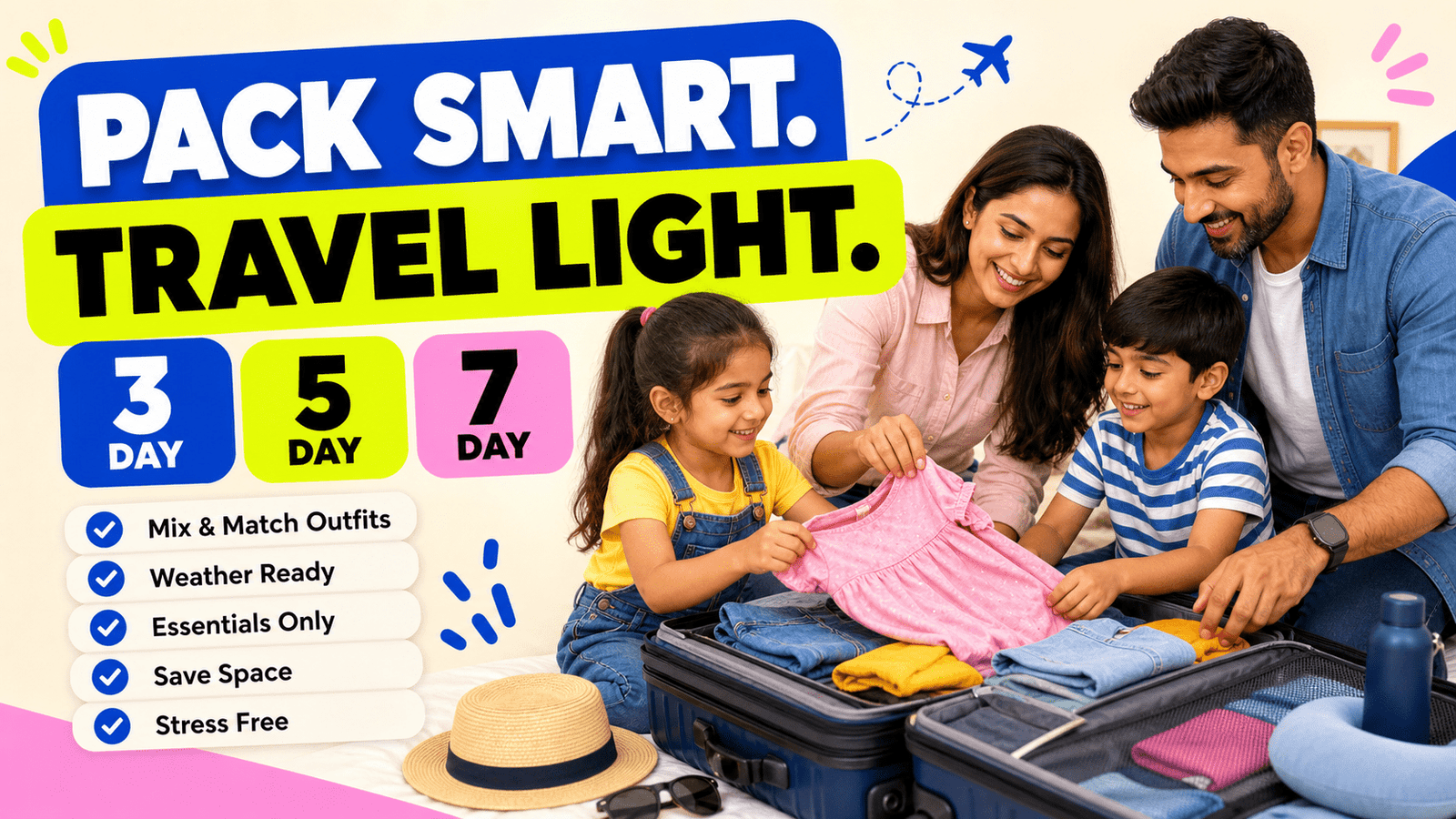
For a child’s vacation, start with one planned daytime outfit per day plus one complete spare when laundry is unavailable. Reduce the count only when there is reliable time to wash and fully dry garments; increase it when the child’s normal change pattern, weather or activities make extra changes likely.
Pack sleepwear, layers and specialist activity clothing separately. A three-day trip and a seven-day trip do not need the same quantities, and a beach, city, hill or family visit does not need the same garment types.
Check six trip facts before opening the wardrobe
- Length: count travel days as well as nights.
- Weather: use the current destination forecast and official warnings.
- Activities: list ordinary play, events, water activities or outdoor exposure separately.
- Laundry: confirm whether washing and complete drying are genuinely available.
- Changes: use the child’s normal spill, toilet-training and activity pattern.
- Transport: keep one usable change accessible during the journey.
Do not pack from memory of last year. Measure uncertain clothes and check current fit before the trip.
A starting checklist for 3, 5 and 7 days
| Trip length | No planned laundry | With one reliable wash-and-dry cycle |
|---|---|---|
| 3 days | 3 planned daytime outfits + 1 spare | Usually keep the same simple count; a wash may only handle unexpected soil |
| 5 days | 5 planned daytime outfits + 1 spare | 3–4 compatible outfits + 1 spare, depending on timing |
| 7 days | 7 planned daytime outfits + 1 spare | 4–5 compatible outfits + 1 spare when garments can fully dry |
These are starting points, not guarantees. A child who normally needs two changes on active days may require more. A child who can safely rewear clean, suitable clothing may require less. Never depend on hotel laundry, weather or drying space without confirming it.
Count complete outfits, then count physical garments
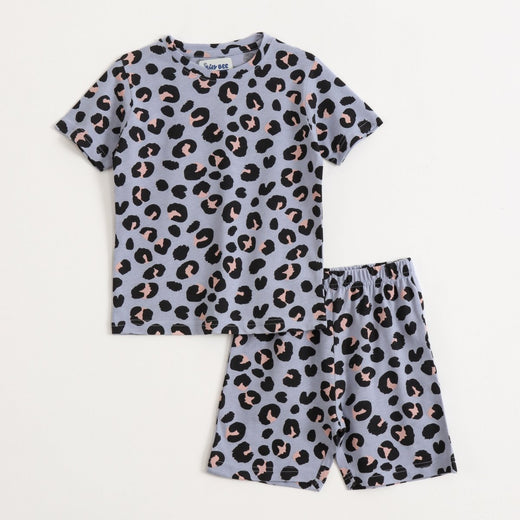
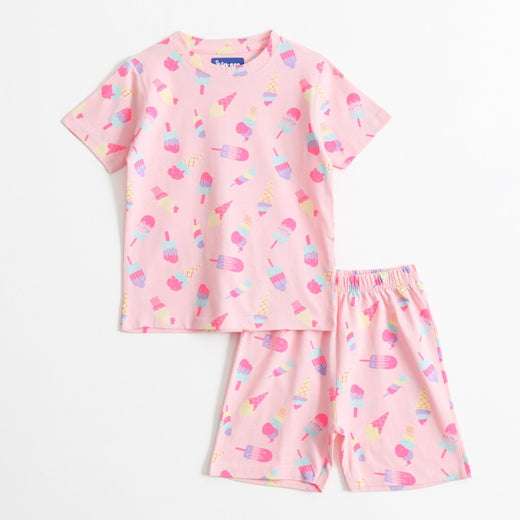
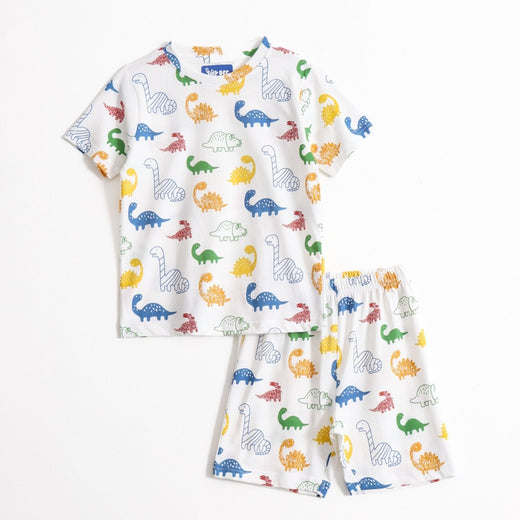
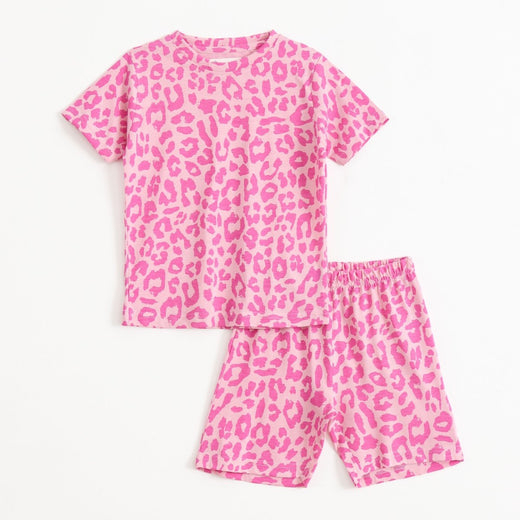
A coordinated top-and-shorts set is one complete outfit but two garments. If the top matches another bottom and the shorts match another top, three sets can provide more than three combinations. Pack a small shared palette so a spill on one piece does not remove an entire outfit from use.
Use our kids co-ord sets guide to check whether pieces work independently. Avoid packing several unmatched “just in case” items that cannot form a complete outfit.
Plan sleepwear separately
Sleepwear quantity depends on the child’s routine, room temperature, laundry access and whether a set becomes wet or soiled. Do not substitute daytime shorts sets for pajamas unless the specific garment is suitable for sleep and the household accepts that use.
Check neck opening, shoulders, waistband, rise, leg room and hem length with our kids pajama fit guide. Pack each set in the current size.
Match layers to the destination
Check the forecast close to departure. Add an appropriate light layer for air-conditioned travel or cooler evenings when needed, and destination-specific protection for rain, strong sun or cold conditions. Do not treat “summer vacation” as one climate.
If the forecast combines heat with high humidity, use our humid-weather clothing checklist to plan activity, airflow, shade, dry changes and transitions into air-conditioned spaces. It remains a clothing-planning aid, not a substitute for current heat warnings or medical advice.
For hot-weather travel, the National Centre for Disease Control’s child heat-health guidance recommends monitoring weather warnings, encouraging fluids, using light-coloured loose clothing, seeking shade and avoiding heavy outdoor activity during the hottest hours. It also warns never to leave a child alone in a parked closed vehicle.
Clothing is only one part of weather safety. Follow current local and medical guidance when conditions are severe or a child becomes unwell.
Use a current-size packing test
One week before departure, have the child try uncertain outfits and perform a calm movement check:
- pull the top over the head without force;
- raise both arms;
- sit and squat;
- walk and climb one safe step;
- check that the waistband remains secure;
- confirm hems do not drag or catch.
Use our kids clothing measurement guide and the live product chart. Do not pack an outfit solely because its age label matches the child.
Pack by outfit, not by category pile
Lay out each planned outfit before placing it in the bag. Photograph the combinations or use blank paper cards if another caregiver will dress the child. Keep the journey spare in an accessible organiser with any required underlayer rather than splitting it across separate bags.
- Group compatible tops and bottoms together.
- Keep clean sleepwear away from shoes and wet items.
- Carry a separate reusable bag for damp or heavily soiled clothes.
- Do not seal damp garments for longer than necessary.
- Keep medicines, documents and other essentials out of clothing-planning counts.
Plan the wash-and-dry cycle before relying on it
Know the garment instructions, available detergent, washing method, drying space and time. The US Federal Trade Commission’s care-label guidance explains that washing, bleaching, drying, ironing and warnings can all be part of regular care instructions.
Do not assume every printed garment can be washed together or dried with direct heat. If a planned laundry cycle is uncertain, pack the no-laundry count.
Do a final subtraction pass
Remove an item when it has no planned day or activity, does not match another piece, duplicates a specialist garment without reason, requires unavailable care or no longer fits. Keep the one complete spare; remove vague extras before removing the contingency that solves a real spill or delay.
Frequently asked questions
How many outfits should I pack for a 3-day trip?
A practical starting point without laundry is three planned daytime outfits plus one complete spare. Adjust for the child’s usual changes and activities.
How many outfits should I pack for a 7-day trip?
Without laundry, start with seven planned daytime outfits plus one spare. With a reliable wash-and-dry cycle, four or five compatible outfits plus one spare may work.
Should I pack clothes one size larger?
No. Pack clothes that fit securely and allow movement now. Use current measurements and the exact product chart.
Do pajamas count as daytime outfits?
No. Plan sleepwear separately because its fit, room conditions and washing pattern differ.
Where should the spare outfit go?
Keep one complete current-size change in an accessible travel organiser, especially during the journey, rather than at the bottom of checked luggage.
How should I plan vacation outfits for kids in India?
Plan for the actual route, destination weather, indoor cooling, sun or rain exposure, activities, laundry access and each child’s current fit. India does not have one vacation climate, so check the destination forecast and official advisories rather than packing from a generic seasonal label.
Explore current A Tiny Bee kidswear and verify live sizing, product information, stock and care before filling a specific vacation gap.
Bring the guide to life
Only currently available products are shown. Sizes and stock update live.