Kids Clothes for Humid Weather: A Practical Checklist
A practical, parent-friendly guide to choosing playful prints without compromising on comfort, fit or everyday wear.
Practical choices.
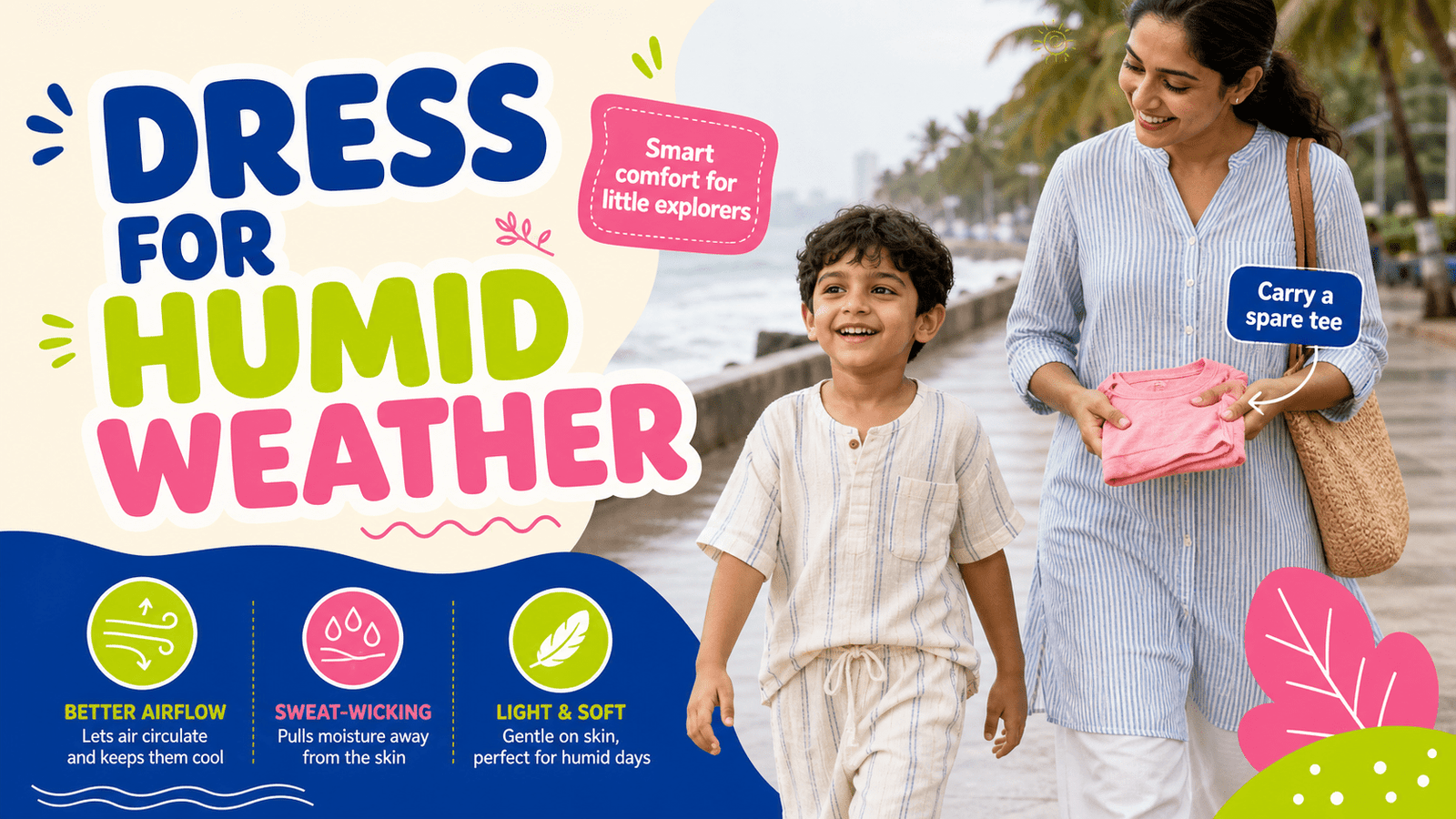
Short answer: for humid weather, start with loose, lightweight clothing suited to the activity and sun exposure, then plan water, shade, rest and a dry change. Humidity can make sweat evaporate less effectively, so garment choice cannot replace heat-safety decisions.
This guide separates everyday clothing checks from medical advice. Young children rely on adults to manage heat exposure. If a child shows concerning signs of heat illness, stop the activity, move to a cooler place and follow local medical guidance promptly.
Why humidity changes the clothing plan
Sweat helps cool the body when it evaporates. In high humidity, evaporation can be less effective. The result is not that one named fabric becomes a universal solution; it means the whole routine matters more: activity level, time of day, shade, airflow, garment fit, fluids, breaks and changing out of wet clothing.
The American Academy of Pediatrics’ hot-weather guidance for active children notes that high humidity can limit cooling and recommends hydration, rest and light-coloured, loose clothing. The CDC’s extreme-heat guidance likewise recommends scheduling activities carefully and wearing loose, lightweight, light-coloured clothing.
Choose by activity, not by weather label alone
Quiet indoor activity
A light T-shirt and shorts set may be enough in a naturally ventilated room, but strong air conditioning can change the requirement. Keep a simple layer nearby rather than dressing for outdoor humidity while ignoring the actual indoor temperature.
Active outdoor play
Prefer cooler times of day, shade and shorter sessions. Clothing should allow reaching, squatting and running without gripping at the armholes, waistband, rise or thighs. Direct sun may require more coverage than a shorts set provides, along with a hat and appropriate sun protection.
Travel and school runs
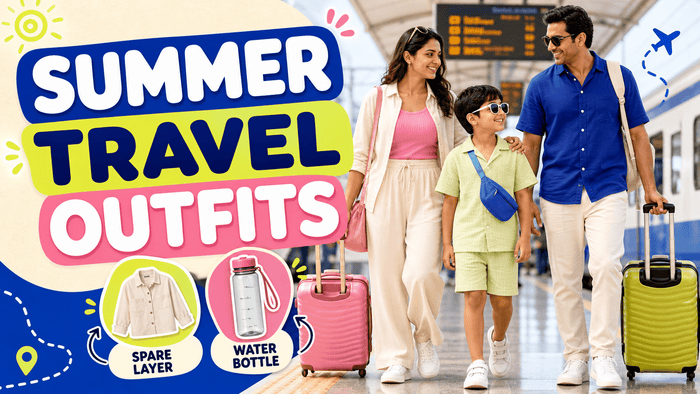
Transitions matter: humid outdoors, a warm vehicle and a cold indoor space can occur in one trip. Pack a dry change and a light optional layer. Never leave a child in a parked vehicle, even briefly.
If humidity comes with rain, waterlogged routes or wet-item transport, use our monsoon clothes guide for India. It covers forecast checks, route planning, rain protection and carrying a complete dry change; this page remains focused on humidity and heat.
Water or messy play
A garment that stays wet can become uncomfortable and may chafe some children. Carry a dry set and a separate bag for the used garment. Do not seal damp clothing for longer than necessary; wash and dry it according to its care label.
Seven garment checks for humid conditions
- Overall ease: the garment should not cling tightly before activity begins.
- Armhole room: lifting both arms should not pull hard across the chest or underarm.
- Neck opening: the neck should pass over the head and lie flat without pressing.
- Waistband: look for secure hold without deep marks, rolling or a twisted elastic.
- Rise: sitting and squatting should not pull through the crotch.
- Layer count: avoid unnecessary layers, while keeping context-appropriate sun or insect coverage.
- Changeability: choose a set that adults and the child can remove and replace without a struggle.
Use the exact product chart and compare it with a known garment. Our kids clothing size-by-height guide explains why height is useful for shortlisting but cannot replace chest, waist, rise and length checks.
What the fibre label can and cannot tell you
The fibre label identifies composition when accurately stated. It does not by itself reveal fabric weight, knit density, finishing, garment ease, drying time in your home or how the child will experience the garment. Avoid unsupported shortcuts such as “cotton always breathes” or “synthetic always dries fastest.” Evaluate the exact garment and follow its care label.
For a balanced comparison of fibre properties and trade-offs, read cotton versus polyester for kids.
Build a humid-weather change kit
- one clean, dry outfit in the correct current size;
- a water bottle appropriate for the child and outing;
- a hat and suitable sun protection for outdoor exposure;
- a small towel;
- a separate washable or waterproof bag for damp clothing;
- any child-specific medicines or instructions provided by a clinician.
A spare outfit is useful only if it fits now. Rotate the stored set into regular use and replace it as the child grows.
After activity: change, wash and dry
Change a wet garment when practical, especially if the child reports discomfort. Follow the sewn-in care instructions. Use enough space for air to circulate while drying, and make sure the garment is fully dry before storing it. A persistent damp smell or visible mildew means the storage and drying routine needs attention; do not cover the smell with perfume and return the item to the drawer.
Our cotton kids-clothes washing guide explains label-first washing, stain treatment and drying without promising one routine for every garment.
Heat-safety boundary
Loose clothing does not make unsafe heat safe. Reduce or stop activity when local heat guidance says conditions are dangerous. Watch for symptoms such as unusual weakness, dizziness, headache, nausea, confusion, fainting or a child who is not acting normally. Heat stroke is an emergency. Use local emergency services and medical advice rather than relying on a clothing article.
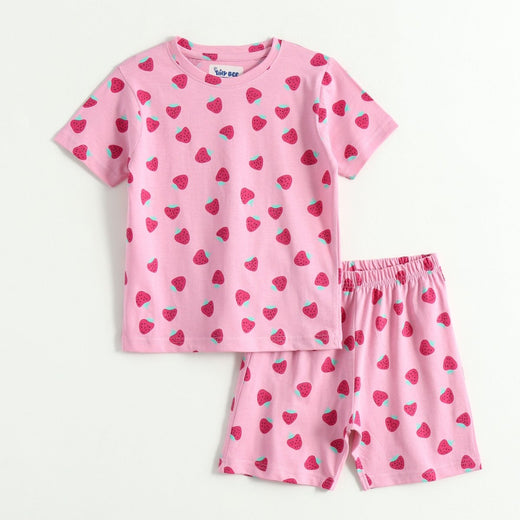
To view current warm-weather sets, live prices and size availability, browse A Tiny Bee shorts sets.
Frequently asked questions
Are shorts sets suitable for humid weather?
They can be, particularly for warm indoor or shaded daytime activity, if the fit is loose enough for movement. Direct sun, insects, surface contact or the child’s preference may require more coverage.
Is cotton always best in humidity?
No single fibre is always best. Read the exact composition, consider fabric weight and garment fit, and observe how the child and garment behave during the real activity.
Should I choose a larger size for airflow?
Do not size up automatically. A larger garment may create useful ease, but it can also slip at the neck or waist, sag through the rise or interfere with play. Compare exact garment measurements.
How many spare outfits should I carry?
For a short routine, one dry change is often a practical starting point. Add more based on duration, access to laundry, water play, toileting stage and the child’s usual change frequency.
Catalogue note: product details, price and stock can change. Verify the live product page before ordering.
Bring the guide to life
Only currently available products are shown. Sizes and stock update live.