How Many Clothes Does a Child Really Need?
A practical, parent-friendly guide to choosing playful prints without compromising on comfort, fit or everyday wear.
Practical choices.
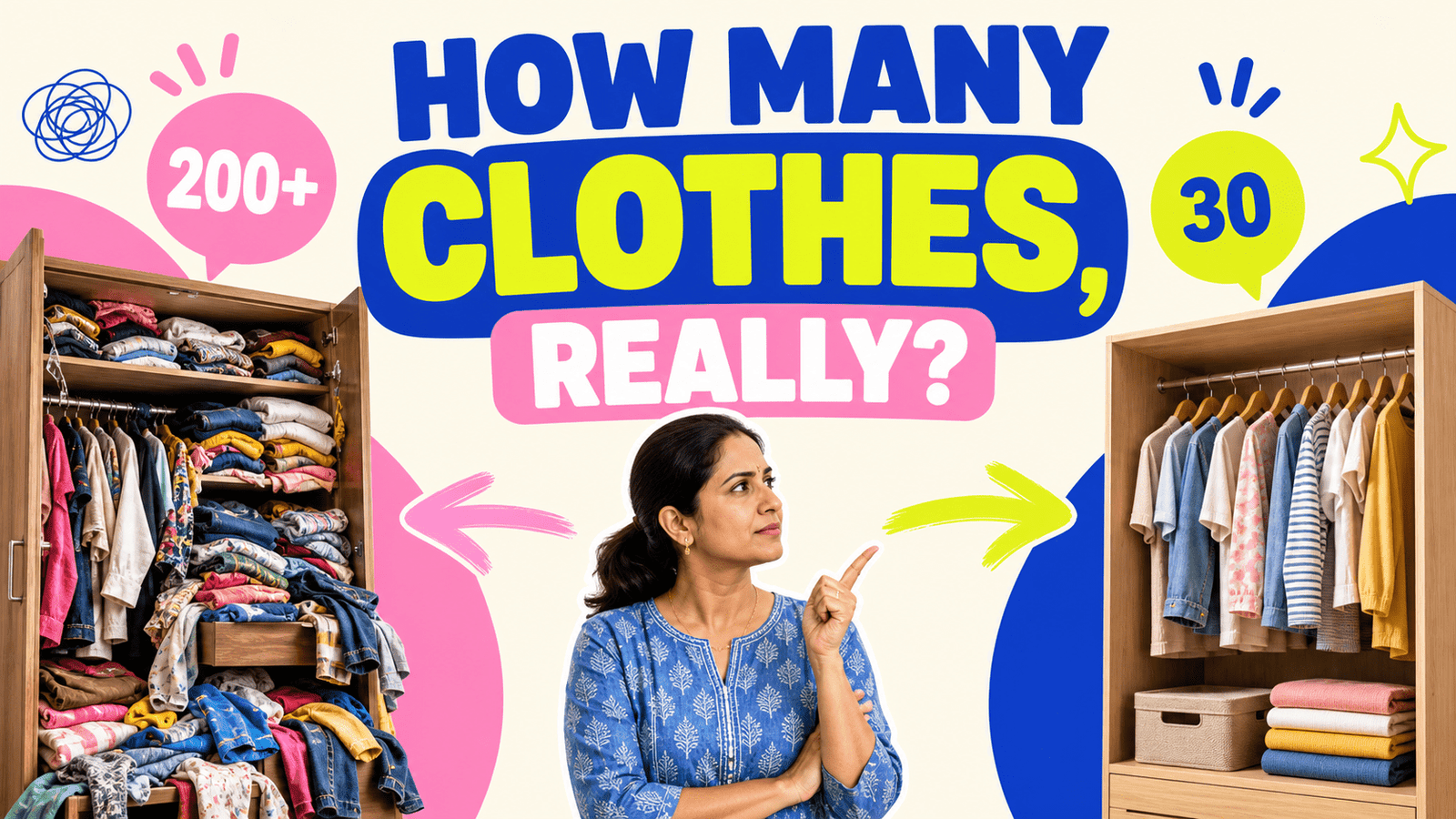
There is no universal number of clothes that every child needs. A practical home wardrobe should cover the days between reliable laundry cycles, the child’s usual number of clothing changes, local weather and one small buffer—without keeping so many outgrown or unused items that the correct size becomes hard to find.
Use this simple starting formula for everyday categories:
Useful quantity = days between washes × typical changes per day + one buffer outfit.
This is a planning tool, not a rule. Apply it separately to daytime outfits, sleepwear, schoolwear or activity-specific clothing because they are used and washed differently.
Start with five facts, not an age-based shopping list
- Laundry interval: how many days usually pass before clean clothes return to the wardrobe?
- Daily changes: does the child normally use one outfit, or need another after school, outdoor play or spills?
- Climate: do heat, humidity, monsoon rain or cooler evenings change what is worn?
- Activity: are school uniforms, sports clothes or occasion wear separate from everyday clothing?
- Current fit: how many garments actually fit and function now?
Age alone cannot answer these questions. A toilet-training toddler, a child in uniform and a child with daily outdoor practice may have very different change patterns even if laundry runs on the same schedule.
Work through one realistic example
Suppose laundry runs every four days, the child usually wears one daytime outfit per day and a clean set should remain available if washing is delayed. The starting calculation is four daily outfits plus one buffer: five usable daytime outfits.
If the child regularly needs a second change on two of those days, add two—not a second outfit for every day. If reliable laundry happens sooner, reduce the rotation. If clothes take longer to dry during monsoon weather, increase the buffer rather than doubling the wardrobe.
Count only clean, current-size clothes that the child can actually wear. A drawer containing 12 tops is not a 12-top rotation if four are too small, two need repair and three do not match any usable bottom.
Plan by category
| Category | What drives the quantity? | Do not assume |
|---|---|---|
| Everyday outfits | Laundry gap, normal changes and drying time | Every day needs a completely different style |
| Sleepwear | Night-time use, washing and room conditions | It follows the daytime count |
| Schoolwear | School schedule and uniform rules | It can replace all home clothes |
| Layers | Actual local weather and indoor cooling | One climate applies across India |
| Occasion wear | Real upcoming events | Several sizes should be bought “just in case” |
For pajamas, first calculate the household’s actual rotation with how many pajama sets a child needs, then use our separate guide on how kids pajamas should fit. Nightwear has different laundry, length, waistband and room-condition checks from daytime shorts sets.
Use coordinated sets to simplify the count
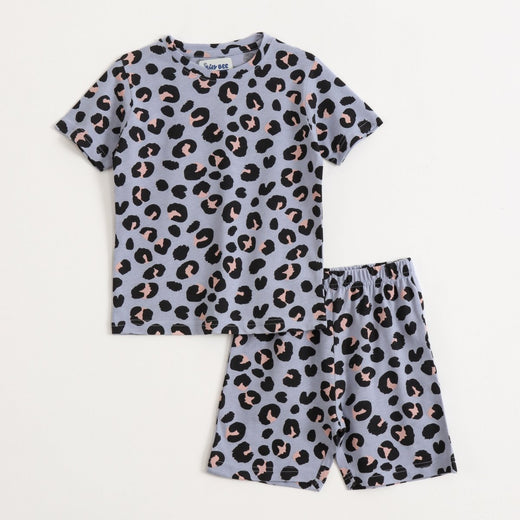
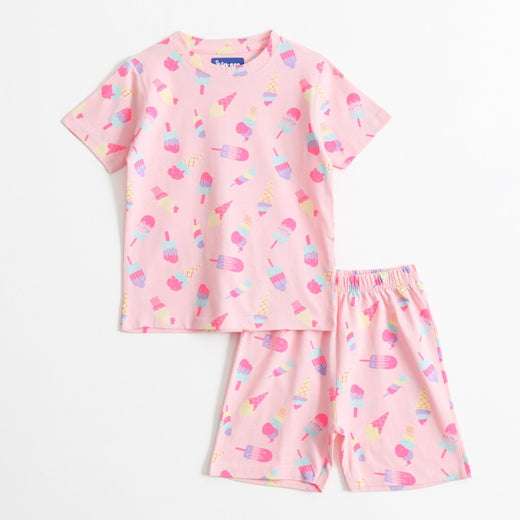
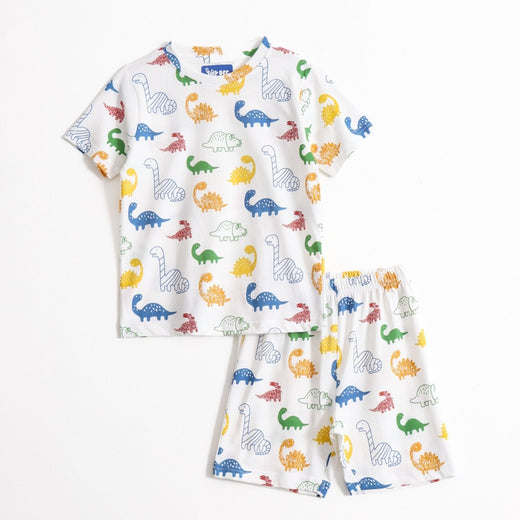
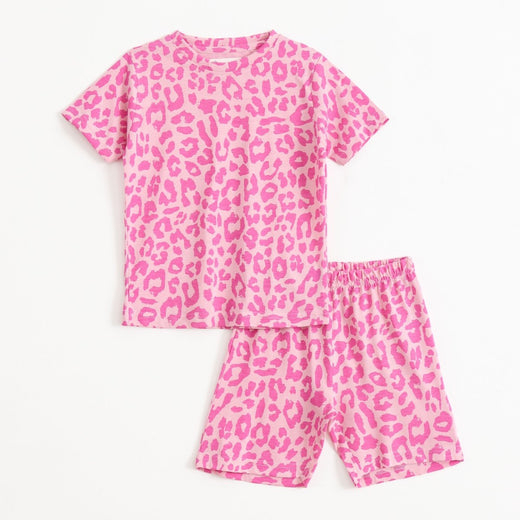
A top-and-shorts set is one planned outfit but two physical garments. Count it both ways:
- Outfit count: one ready combination.
- Garment count: one top plus one bottom.
If each piece also works with plain separates, the set provides more combinations without increasing the number of garments. Our kids co-ord guide explains how to test whether both pieces fit and function independently.
Audit the wardrobe before buying
Empty one category at a time and sort it into five groups:
- fits and is ready to wear;
- fits but needs washing;
- needs a small repair;
- does not fit or is no longer functional;
- belongs to another season or activity.
Only the first three groups may contribute to the useful quantity, and the repair group counts only after the garment is restored. Measure uncertain items instead of relying on the age printed on the tag. Use our kids clothing measurement guide to record height, chest, waist and hip, then follow the India kids clothing size-chart guide to compare those numbers with the exact product chart.
Adjust for growth without over-sizing
Children grow, but buying every item several sizes ahead can create loose waistbands, insecure necklines or dragging hems now. Keep the active wardrobe in the current functional size. A small labelled next-size group can be stored separately, then rechecked before use.
Do not count future-size clothes as current supply. Do not count sentimental pieces, costumes or damaged clothing unless they serve the category being planned.
Reduce the number by improving compatibility
A smaller useful wardrobe depends on pieces working together. Choose a limited base palette, repeat compatible care routines and avoid one bottom that matches only one top. Unisex prints and separately sized coordinated pieces can also support sibling reuse when the garment remains safe and functional.
For a deliberately smaller mix-and-match structure, use our 14-garment capsule-building guide. It is an optional outfit system, not the answer to every household’s quantity.
Recalculate when the routine changes
Review the count when school starts, the climate changes, laundry access changes or the child moves into another size. A useful wardrobe is dynamic. Adding a new garment should usually replace a clear gap, not merely increase the pile.
Follow each care label so the rotation returns to use as expected. The US Federal Trade Commission’s care-label guidance describes washing, bleaching, drying, ironing and warnings as parts of regular care instructions.
Frequently asked questions
Is seven outfits enough for a child?
It may be enough when laundry is reliable and the child normally uses one outfit per day. Add or subtract according to actual changes, drying time and activity-specific clothes.
Do matching sets count as one piece or two?
They are one planned outfit but two physical garments. Track both so mix-and-match combinations are not overlooked.
Should I count clothes in the next size?
No. Keep future-size stock separate from the current usable count and recheck measurements before moving it into rotation.
How often should I review a child’s wardrobe?
Review it when fit, season, school routine or laundry access changes, and whenever several garments begin pulling, slipping or remaining unused.
Does a child need a different outfit every day?
No style rule requires it. Clothes should be clean and suitable for the activity; rewear depends on use, soil, hygiene and care instructions.
Explore current A Tiny Bee kidswear and use live size, stock, product and care information when filling a genuine wardrobe gap.
Bring the guide to life
Only currently available products are shown. Sizes and stock update live.