What Clothes Are Best for Toddlers in India?
A practical, parent-friendly guide to choosing playful prints without compromising on comfort, fit or everyday wear.
Practical choices.
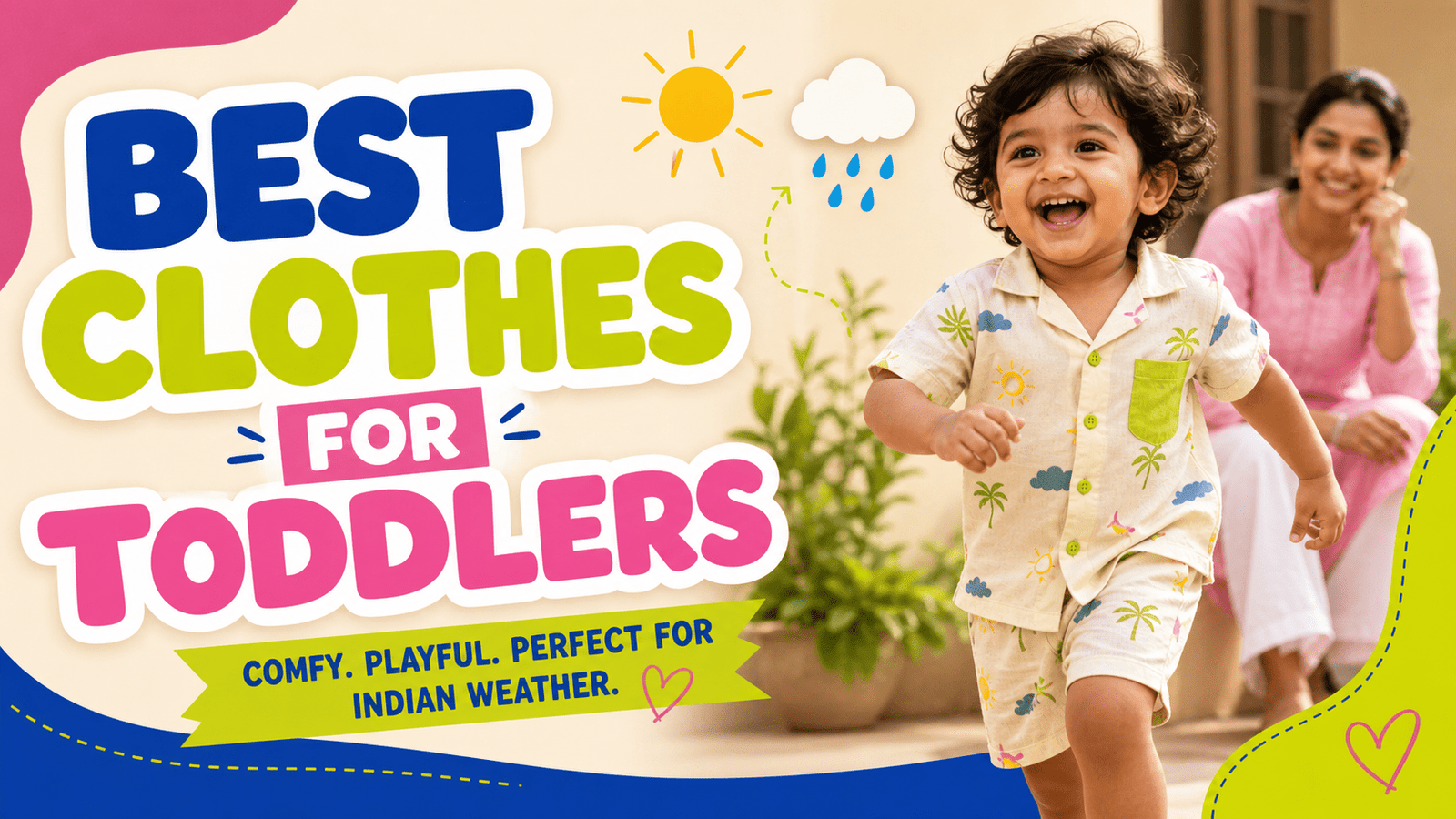
The best clothes for toddlers in India are chosen for the day’s activity, local weather, safe movement and the child’s stage of dressing independence—not from one universal wardrobe list. Start with the exact temperature and setting, then check fit, openings, waistband, fasteners, seams, coverage and care. Keep a suitable spare when spills, rain or toileting changes are likely.
“Toddler” covers rapid changes in movement, communication and self-dressing. A one-year-old learning to walk and a three-year-old using the toilet independently may need different openings and outfit structures even when the weather is the same.
Choose by situation first
| Situation | Useful clothing checks | Common mistake |
|---|---|---|
| Indoor play | Movement room, stable waist, simple layers | Dressing for the outdoor temperature while staying indoors |
| Outdoor heat | Loose, lightweight clothing, coverage, shade plan | Using fabric name alone as heat protection |
| Rainy day | Quick change, dry spare, hem and footwear clearance | Storing damp clothes in a closed bag |
| Sleep | Room conditions, secure fit, non-irritating seams | Using daytime appearance as the sleepwear test |
| Travel or outing | Seated comfort, toilet access, complete spare | Packing pieces that do not form a wearable outfit |
| Dress-up event | Comfortable lining, secure trim, movement | Prioritising decoration over the child’s tolerance |
Match clothing to current movement
Watch the child squat, climb a step, sit on the floor and raise both arms. The garment should not pull sharply at the neck, shoulders, crotch or waist, and excess length should not create a trip risk. Oversizing is not a reliable shortcut for growth room.
New Mexico State University’s Clothing Hints for Young Children recommends easy openings, simple fasteners and elastic waists, while noting that clothing that is too small or too large can restrict or interfere with movement. Use those principles with the exact product’s construction and current measurements.
Support dressing and toilet independence
A toddler who is beginning to help dress may benefit from a visible front cue, a large neck opening, a waistband the child can grip and fewer complicated fasteners. During toilet learning, test whether bottoms can be lowered and raised without adult-strength pulling.
Do not assume a two-piece set is always easier or a frock is always harder. The opening, waist, length and child’s routine matter more than the category name.
Plan for Indian heat without overclaiming fabric
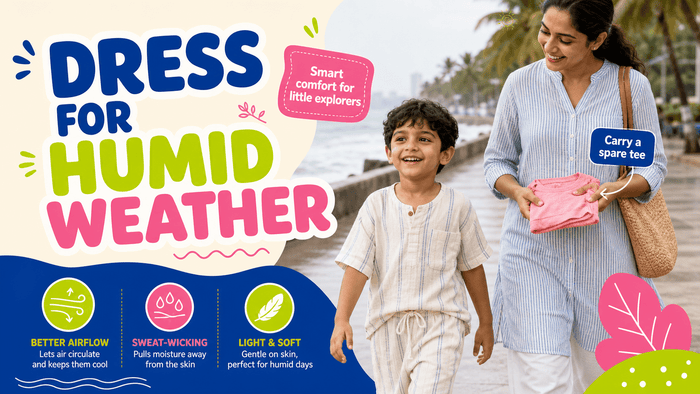
For hot conditions, consider loose, lightweight, light-coloured clothing alongside shade, fluids and reduced peak-heat activity. India’s National Centre for Disease Control advises thin, loose, preferably light-coloured cotton garments during extreme heat. Read the current NCDC public heat advisory for its broader precautions.
HealthyChildren.org, from the American Academy of Pediatrics, similarly recommends light-coloured, loose-fitting clothing with ventilation and sun protection on hot days. See its extreme-heat guidance for parents.
These recommendations do not prove that any single garment prevents heat illness. Check activity, ventilation, sun exposure and the live forecast. For outfit formulas rather than general heat safety, use our toddler summer outfits guide.
Prepare for monsoon changes
Rain can turn a suitable morning outfit into a wet one. Choose hem lengths and footwear that suit the route, carry a complete dry change, and remove damp clothing from closed bags promptly. A fast-drying claim should be based on the exact fabric and construction, not guessed from appearance.
Our monsoon clothes guide covers forecast checks, spare planning and drying constraints without presenting one fabric as correct for every rainy day.
Check trims and loose components
Inspect buttons, snaps, decorative pieces, drawstrings and zipper pulls before wear. Loose components can detach, and long or catching elements can interfere with active play. NMSU’s young-child clothing guide recommends checking secure attachment and avoiding hazardous neck drawstrings and easily detached decorations.
This is a physical inspection, not a substitute for applicable Indian product-safety requirements. Stop using a garment if a component is loose, broken or creating a snagging risk.
Use the exact size chart
Age labels are starting points, not body measurements. Measure the child and compare with the exact product chart. Then identify the controlling fit point: neck and shoulder for a top, waist and rise for bottoms, or chest and length for a frock.
Use our five-minute kids clothing measurement guide before buying. If the child is between sizes, the current-size versus next-size decision guide explains why sizing up should not be automatic.
Build a rotation from the laundry interval
Do not copy a fixed “ten outfits every toddler needs” list. Count the days between reliable wash-and-dry opportunities, expected outfit changes, planned rewears and one clean spare. A household with daily laundry needs fewer pieces than one with a three-day turnaround.
Buy one example of a new shape before multiplying it. Confirm movement, dressing access, ordinary laundering and the child’s acceptance. Then repeat only while the size, stock and routine still fit.
Frequently asked questions
What clothes are best for toddlers in India?
Choose clothes for the current weather, activity, movement, dressing stage and care routine. There is no single fabric or outfit list for every Indian region and season.
Are shorts sets practical for toddlers?
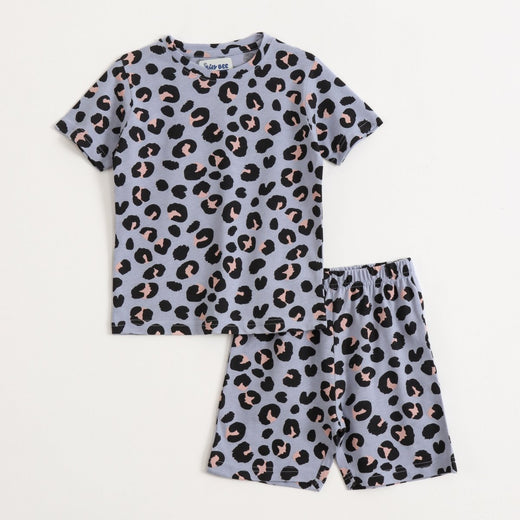
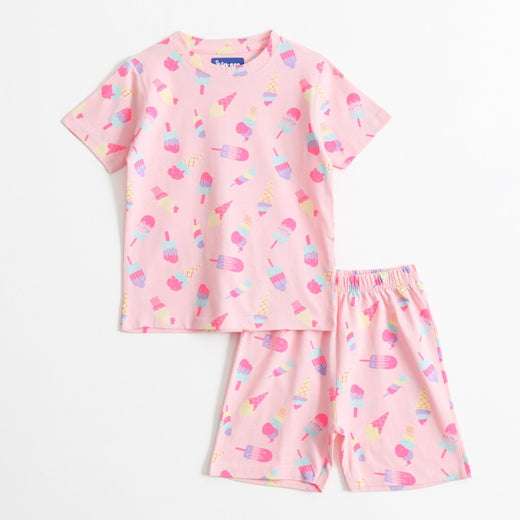
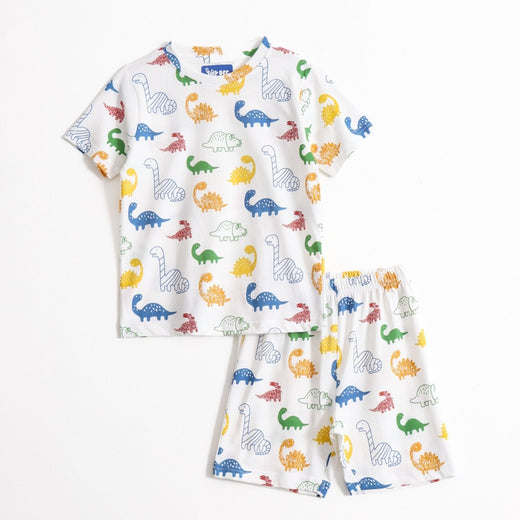
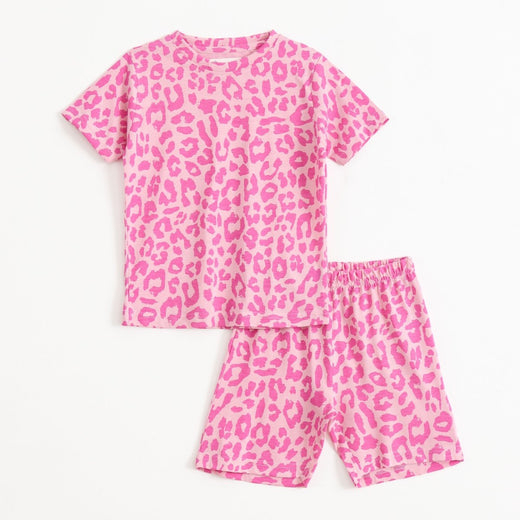
They can be when the top and bottom both fit securely, allow movement and suit the setting. Check waistband tension, rise, opening and coverage on the exact set.
Should toddler clothes be one size bigger?
Not automatically. Excess fabric can twist or trip. Compare current measurements with the exact chart and test the controlling fit points.
How many toddler outfits should I buy?
Base the number on wash-and-dry turnaround, expected daily changes, rewear policy and a clean spare rather than a universal list.
What should a toddler wear in hot weather?
Public-health guidance supports loose, lightweight, light-coloured clothing, but clothing is only one part of heat safety. Include shade, hydration and timing.
Explore current A Tiny Bee toddler sizes and verify the exact chart, variant stock and garment details before buying.
Bring the guide to life
Only currently available products are shown. Sizes and stock update live.